Cost & hiring · 28 Sept 2026
AI Property Video Pricing: What Really Drives the Cost
Oracreative · Updated 19 Aug 2026

Ask three studios what a property film costs and you will likely hear three very different numbers. That gap is not a trick. It is the honest truth about ai property video pricing: there is no single menu price, because the work behind each video is never the same. The cost moves with the job. In this guide I break down the real drivers, so a quoted figure stops feeling like a mystery and starts making sense.
I run Oracreative, a small AI-video studio based in Sydney. I have spent about three years making video, and every piece in my portfolio is self-made from start to finish. Nothing is outsourced. My first real property job came from a local agent who wanted an apartment film. I said no at first. The renders belonged to the developer, and I refused to touch them until the developer approved the copyright in writing. Once that was cleared, I made the film for free. It was a pilot, not a paycheck. That single job taught me more about what actually drives cost than any rate card ever could.
What shapes AI property video pricing
Most quotes come down to five things. The property, the shot list, the length, the number of revision rounds, and who owns the source material. Change any one of them and the number changes. That is why a good studio asks questions before it gives you a figure. A quote handed over without questions is usually a guess.
Think of it like a build. A studio apartment and a five-bedroom coastal home are not the same job. One has three spaces worth showing. The other has a facade, a pool, a view, and a dozen interiors. The camera has more to do. The edit has more to hold together. The cost follows the work, not the postcode.
This is where AI changes the picture without erasing it. Traditional video needs a crew, a shoot day, and a location that is finished and dressed. AI-driven work can build spaces that do not exist yet, or restage ones that do. That removes some line items. It does not remove the craft. If you want the full picture of how this fits real-estate marketing, my property media services page lays out the formats and where each one earns its keep.
One more thing shapes the number before any quote is written. Clarity. A brief that says exactly what you want is cheaper to deliver than a vague one. When I know the property, the audience, and the goal, I can price it tightly. When the brief is loose, a studio has to add a buffer for the unknown. That buffer is your money, spent on guesswork. So the more you tell me up front, the fairer the figure gets.
It also helps to know what a video is for. A film that sells an off-the-plan apartment has a different job than one that markets a finished home. One has to build belief in something not yet real. The other just has to show what exists in its best light. Different jobs, different effort, different cost.
Scope is the biggest cost lever
Scope is the number one driver, every time. It is the sum of what you are asking the video to show. A single hero exterior is a small job. A full walkthrough of a large home, inside and out, day and dusk, is a large one.
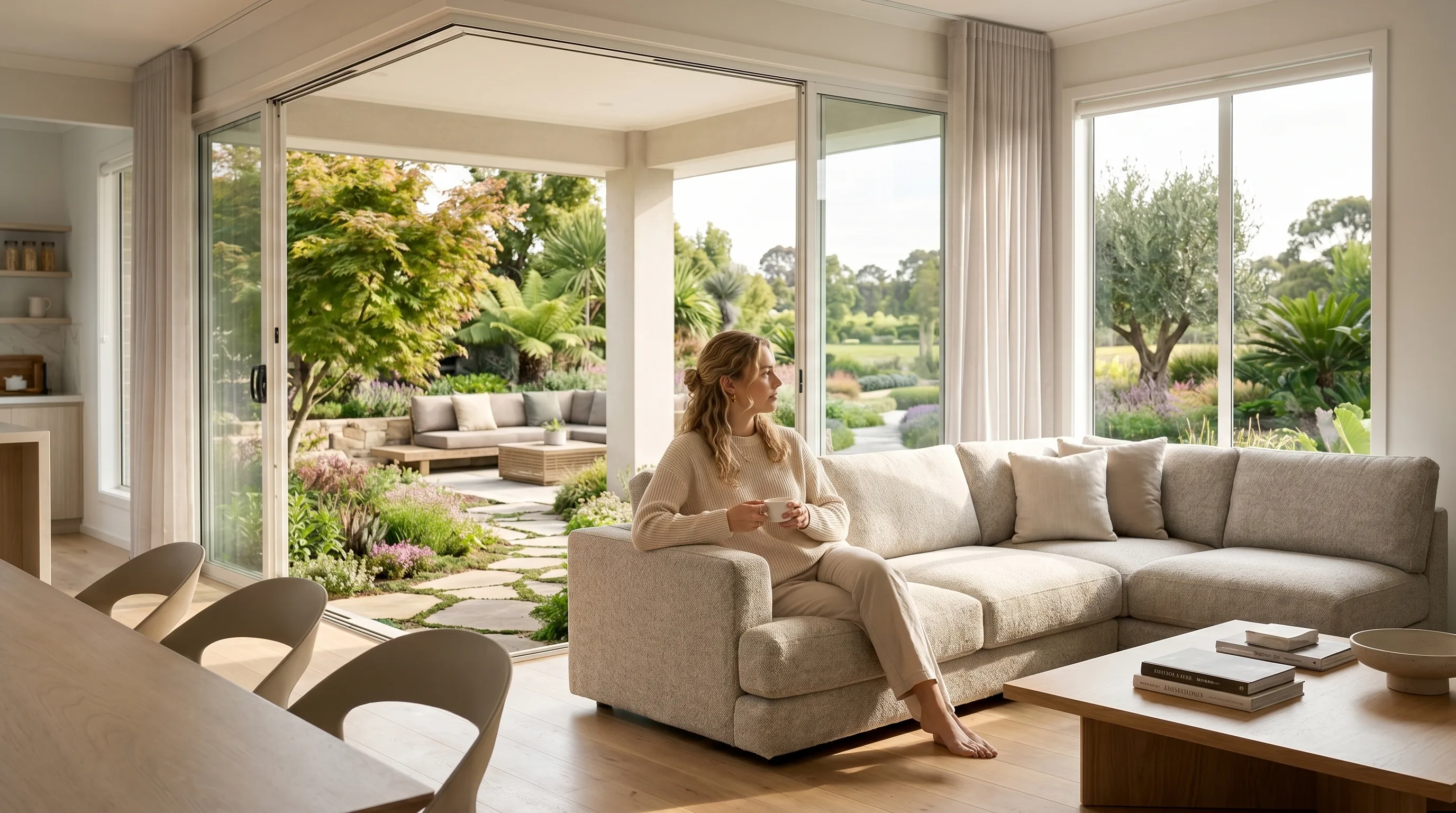
Here is what pushes scope up. More rooms. More exterior angles. More lighting states, like a bright day cut and a warm dusk cut. Any people in frame, since figures need care to look natural. Landscaping, cars, and street life all add detail that has to be built and checked. Each item is small on its own. Together they set the size of the job.
Here is what pulls scope down. A shorter shot list. Fewer spaces. One time of day instead of three. Empty rooms instead of fully staged ones. None of these make a bad video. A focused film often beats a bloated one. Trimming scope is the fastest honest way to lower a quote without cutting quality where it counts.
A useful exercise is to rank your spaces. Which three rooms actually sell this property? For most homes it is the kitchen, the main living area, and the primary view. Lead with those. The laundry and the third bathroom rarely earn their screen time. When you cut the spaces that do not persuade, you cut cost and sharpen the film at the same time. That is the rare trade with no downside.
Length, revisions and turnaround
Length sounds simple, but it hides real cost. A 30-second cut and a three-minute cut are not the same effort scaled up. Longer runtimes need more shots, more transitions, more music that fits, and more moments that have to land. Every extra second is another second someone had to design.
Revision rounds are the quiet budget killer. One or two rounds are normal and healthy. Endless rounds are not. Each round means re-rendering, re-editing, and re-checking. Good studios include a set number of rounds in the quote. Ask how many. If the answer is vague, expect the cost to drift.
Turnaround is the third factor. A relaxed timeline lets work slot into a normal schedule. A rush job jumps the queue, and that speed has a price. If your listing goes live in five days, say so early. Honest deadlines produce honest quotes.
There is a smart way to think about length. Match the runtime to the platform, not to your pride. A portal hero rarely needs more than a minute. A social teaser lives or dies in the first few seconds. A longer showcase makes sense for a flagship development, but it is a deliberate choice, not a default. Paying for three minutes when one would sell better is a common and avoidable waste.
Want a real number for your property instead of a range? Send me the brief and I will tell you exactly what drives the cost. Start a free pilot →
Stills, motion and the render question
Not all frames cost the same. A still render is cheaper to produce than a moving one. Motion adds camera paths, timing, and continuity between shots. A slow push through a living room is more work than a photograph of it. That difference shows up in the quote.
Then there is the source question, which people underrate. If a video reuses a developer's existing renders or a photographer's footage, someone owns those files. Using them without a license is a legal risk, not a shortcut. On my first pilot I stopped the whole job until the developer signed off on the copyright. That was the right call, and I would make it again.

The table below sums up how each factor moves the number. It is not a price list. It is a map of the levers, so you can see where your own budget is going and why.
| Cost driver | Pushes the quote up | Pulls the quote down |
|---|---|---|
| Scope | Many rooms, exteriors, and angles | A short, focused shot list |
| Length | Two to three minutes or more | A tight 30 to 60 seconds |
| Motion | Full camera moves and walkthroughs | A mix of stills and simple pushes |
| Lighting states | Day and dusk versions | One time of day |
| People and staging | Lifestyle figures, cars, styling | Clean, empty spaces |
| Revisions | Open-ended rounds | One or two agreed rounds |
| Timeline | Rush delivery | A relaxed schedule |
Where the video lives changes the brief
The platform shapes the edit, and the edit shapes the cost. A film for a portal listing has different needs than one made for social. Buyers on realestate.com.au often watch on a phone, muted, while scrolling fast. That rewards a strong first three seconds and clear captions.
Listings on domain.com.au face the same muted, mobile-first reality. So a video that has to work as a hero on the listing, a vertical cut for Instagram, and a wide cut for a website is really three deliverables. Each format is extra work. If you only need one, say so, and the quote drops. For the dollar ranges behind all of this, my property video cost guide puts honest AUD numbers on the table.
Why the second cut costs a fraction of the first
Most quotes get read as a price per video. That is the wrong unit, and it is the most expensive misunderstanding in any AI property video pricing conversation.
What you are buying is a build, and then a set of cuts taken from it. Nearly all the cost sits in the build: the scenes, the geometry, the materials, the light, the pass that makes a room feel like a room rather than a diagram. Once that exists, a second cut of the same property costs a fraction of the first, because only the edit changes. A vertical version for social is not another video. It is the same build, recut.
That flips the usual advice. Haggling over the base number moves very little, because the base number is the build. Naming every format you need before the build starts moves a great deal, because each format added then is cheap and each one remembered later is a fresh quote. Three formats decided up front and three formats requested one at a time across a month are the same deliverables at very different prices.
The curve holds over time too, which is what makes it matter for an off-the-plan development running a staged release. A second apartment type in a project already built costs less than the first. So does a re-cut six months on when the finishes are confirmed, or a new version when the campaign turns from teaser to launch. None of it is rebuilt from nothing. Priced as shoot days, every one of those would have been another day.
It is also why I will not post fixed dollar amounts on a page. A number without a brief is either padded to cover the unknown or too low to deliver well, and both are dishonest. A range on a web page cannot know how many scenes your property needs, or how many cuts you will want out of them. What I can show you instead is the work itself, all of it self-produced, in my portfolio.
Where AI video pricing has real limits
AI does not make everything cheap, and I will not pretend it does. Some costs are stubborn, and you should know about them before you sign anything.
Direction still takes a person. Someone has to decide the story, the pace, and what to leave out. AI can render a room in seconds, but it cannot decide which room matters. That judgment is the job.
Editing, sound, and colour still take hours. A raw render is not a finished film. Music has to fit. Cuts have to breathe. This is human time, and human time has a cost.
Rights and honesty are non-negotiable. If a space is AI-generated or virtually staged, that should be disclosed. Hiding it risks the agent's licence, not just the studio's reputation. I would rather lose a job than fake a finished home. And AI still gets details wrong, so every frame needs a human check before it goes out. That review is not free, but it is what keeps the work trustworthy.
There are also jobs AI is simply not right for yet. If a buyer needs to trust a real, occupied home exactly as it stands, a genuine shoot can be the honest choice. AI shines when a space is unbuilt, empty, or being reimagined. It is a tool with a sweet spot, not a hammer for every nail. A good studio tells you when the cheaper AI route would actually hurt the sale. I will always say so.
My advice is to budget for the whole job, not just the render. Ask what the figure covers end to end. A quote that includes direction, edit, sound, revisions, and rights is worth more than a bare render at half the price. The finished film is what buyers see. That is the thing worth paying for, and the thing I care about most.
So ai property video pricing is lower than a full traditional crew in many cases. It is not zero. The savings are real where AI removes a shoot day or an unbuilt location. The craft, the care, and the honesty are still paid for, because they are what make the video worth watching.
Frequently asked questions
- Why won't you list a fixed price for ai property video pricing?
- Because a number without a brief is a guess. The cost depends on scope, length, revisions, and rights. A short chat about your property gives a figure I can actually stand behind, instead of a padded range.
- What is the single biggest cost driver?
- Scope. That means how many rooms, exteriors, angles, and lighting states you want the video to show. A focused shot list is the fastest honest way to lower a quote without hurting quality.
- Does AI really make property video cheaper?
- Often yes, because it can remove a shoot day or build a space that is not finished. But direction, editing, sound, and honest disclosure still take human time, so the cost is lower, not zero.
- Who owns the renders and footage used in the video?
- Whoever created or commissioned them. On my first pilot I refused to start until the developer approved the render copyright in writing. Rights should always be cleared before any frame is made.
- How do I get an accurate quote for my property?
- Send me the property details, the shot list, the length you need, and where the video will run. I review scope and rights, agree on revision rounds, and then give a figure. A free pilot is often the best first step.
Planning a property video?
We run a free pilot for a small number of Sydney developers and agencies each month — one property, one finished AI-powered video, no cost.