Cost & hiring · 30 Sept 2026
DIY Property Video vs Hiring a Studio: Honest Guide
Oracreative · Updated 20 July 2026
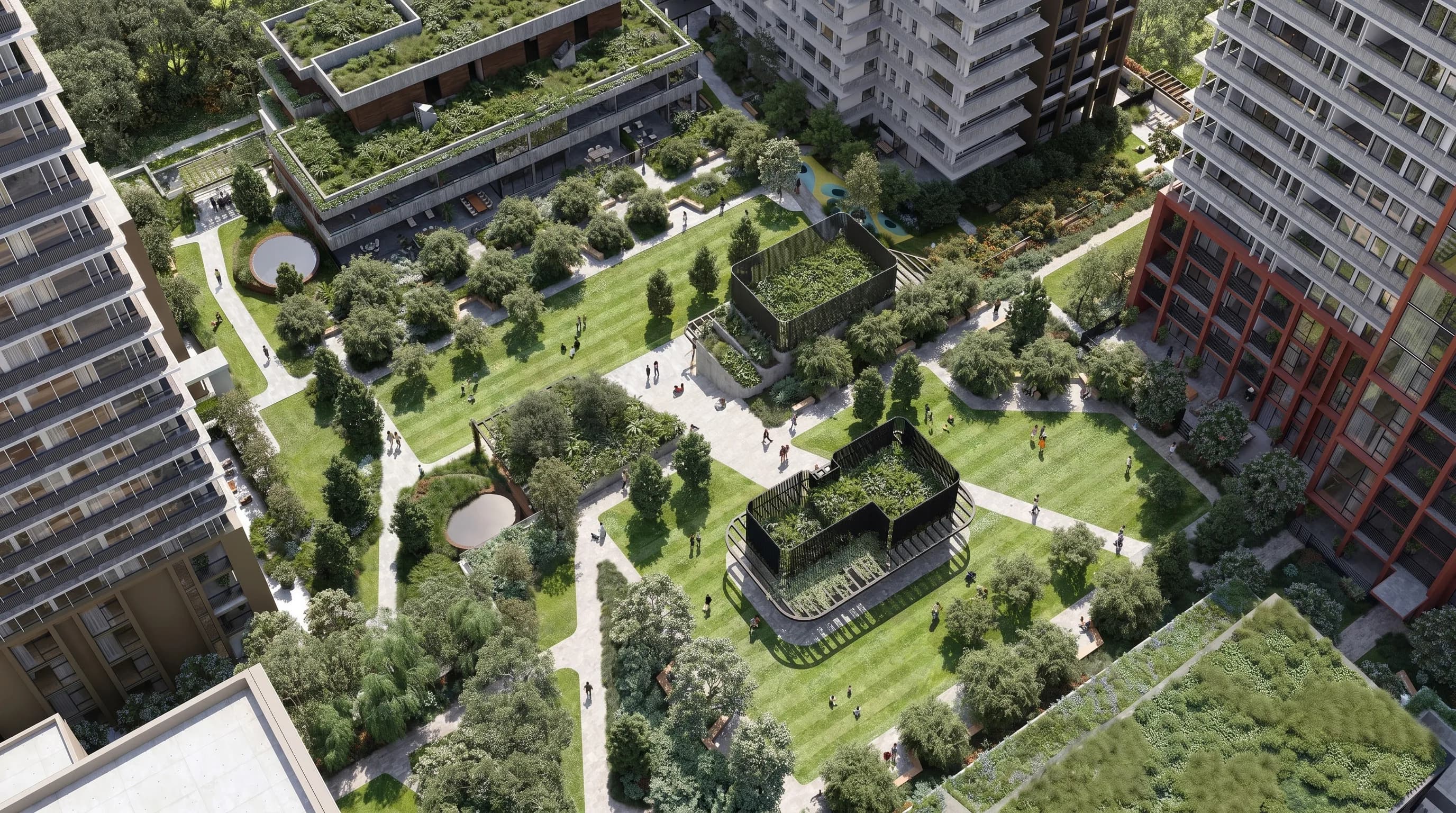
You filmed a listing on your phone last week. On the small screen it looked fine. Then it went up on the big TV in the office, and suddenly it looked flat. That is the moment most agents start asking a real question. Should you keep shooting a DIY property video yourself, or hand it to a studio and let someone do it properly? I get asked this a lot. Here is my honest answer, with the trade-offs laid bare instead of hidden.
I have spent about three years making video. Homes are the subject I love shooting most. These days I build these films with AI, and I run Oracreative, a small Sydney studio. Every piece in my portfolio was made by me, not outsourced to anyone. I have also produced one real video for a local agent, at no cost, as an early pilot. So I am not here to sell you fear. Filming it yourself has a real place. I just want you to see where it wins, and where it quietly costs you.
What a DIY property video really involves
A DIY property video sounds simple. Point a phone, walk the rooms, add a caption. And for a quick social clip, that is genuinely enough. The trouble starts when you want it to look like marketing rather than a home movie.
To get there yourself, you take on a lot of small jobs at once. You light each room so the windows do not blow out. You keep the camera level and steady, usually on a gimbal. You frame each space so it feels larger, not cramped. Then you edit. You cut the boring middle, add music that fits, colour the footage so the whites are white, and mix the sound so it is not hollow.
None of those steps is hard on its own. All of them together, on every listing, week after week, is the real load. That is the part agents underestimate. The camera is the easy 10 percent. The other 90 percent is craft and time.
There is a learning tax too, and it is real. The first videos you make will not look like the ones in your feed that inspired you. That gap is normal. It closes with reps, but reps take months. You will shoot a room, watch it back, and see the ceiling cutting off heads. You will notice the reflection of your own phone in a mirror. You will hear the fridge humming under your voiceover. Each of those is a small lesson, and each costs you a listing that went out looking less than it could have.
Why agents try the DIY route first
Almost every agent I have spoken to, in Sydney and out through regional NSW, started this way, and for good reasons. Phones are genuinely good now. The portals accept what you upload. And the first clip costs nothing but an evening, which makes it feel free in a way a quote never does.
The pull toward doing it yourself is easy to understand. Phones shoot beautiful footage now. Editing apps are free. And you can post the result the same afternoon. For a rental or a quick price-update clip, that speed is worth more than polish.
There is also a control factor. You are already at the property. You know which corner shows the view and which one hides the neighbour's fence. You do not have to book anyone or wait for a slot in a studio's calendar. When a vendor rings on a Friday wanting it live by Saturday, DIY answers that.
And most buyers now start on the portals. A listing on realestate.com.au or domain.com.au lives or dies on its first few frames in a feed. A rough clip that exists today often beats a perfect one that lands next week. So DIY is not laziness. It is a rational trade for speed. The question is whether that trade is right for your best listings, or only your ordinary ones.
Cost is the other honest driver. A new agent, or a small office, does not always have a budget line for video. Starting with a phone lets you build the habit of filming every listing without a spend to justify. That habit matters. An average video that goes out beats a perfect one that never gets made because the invoice felt scary. I would rather see an agent shooting daily than waiting for a budget that never quite arrives.
What hiring a studio actually adds
A studio is not just a nicer camera. What you are really buying is a repeatable standard and a set of things a phone cannot do.
The first is consistency. Every listing looks like it belongs to the same brand. Same pacing, same colour, same feel. That matters more than any single clip, because it is what makes a vendor trust that their home will be handled well.
The second is the hard stuff. Controlled light on a dull day. Clean, mixed sound. Motion that glides instead of wobbles. A story that builds, rather than a walk that just ends.
The third is the one people forget. A studio like mine can build a film of a home that does not exist yet, straight from plans and renders. That is the whole basis of my AI property video work, and it is simply impossible to shoot on a phone. You cannot film an apartment that is still a construction fence. You can only build it.
There is a quieter benefit as well. When you hand the film off, you get your attention back. You are not thinking about frame rates during an open home. You are not editing at ten at night. That mental space is easy to dismiss until you have it, and then you wonder how you worked without it. A studio is, in part, a way to buy back your own focus.
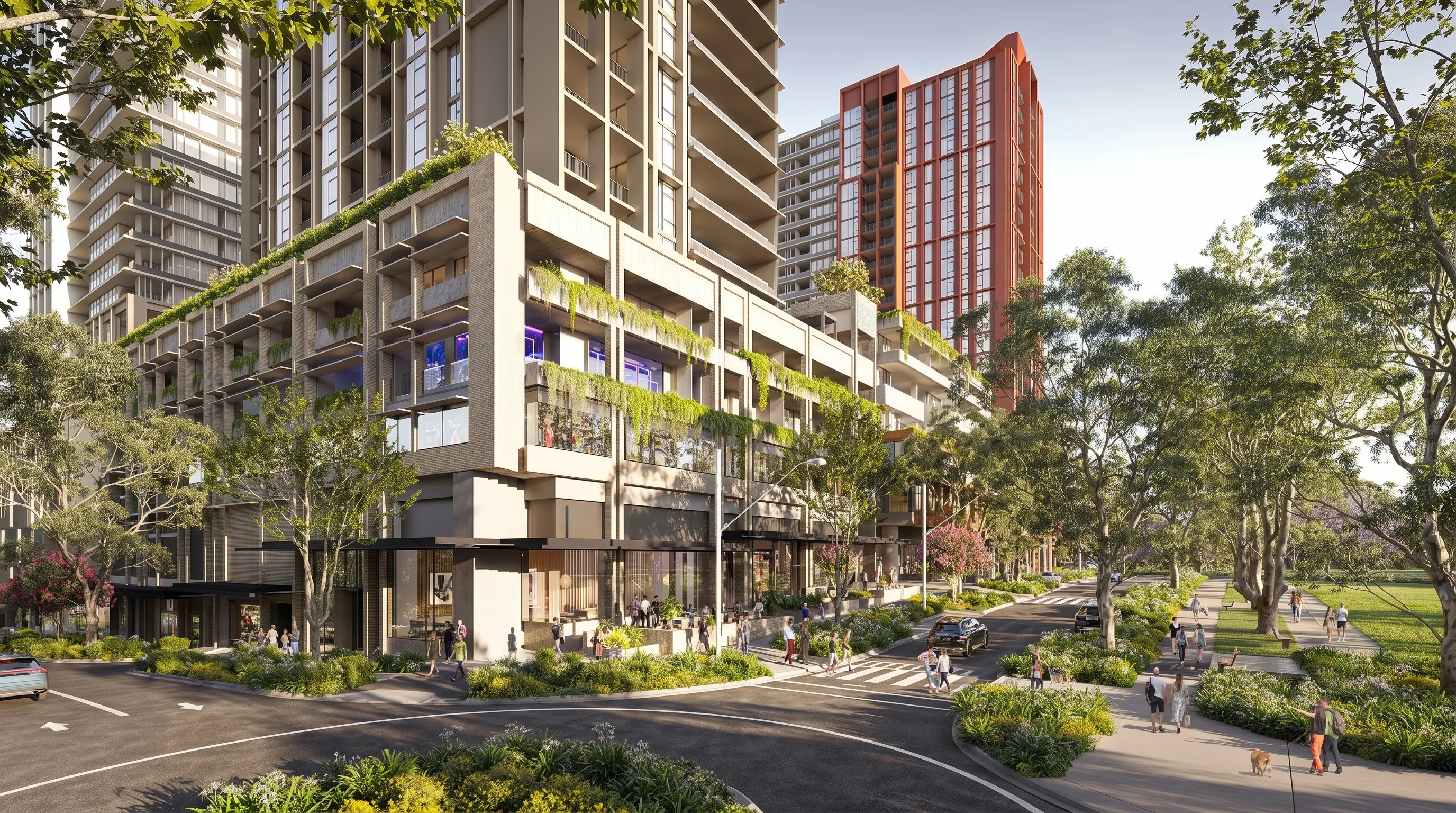
DIY property video vs hiring a studio, side by side
It helps to see the two options next to each other. Neither column is the winner in every row. The point is to match the row that matters most to the listing in front of you. A studio wins on polish and reach. DIY wins on speed and cost. Here is how I weigh them.
| Aspect | DIY (film it yourself) | Hiring a studio |
|---|---|---|
| Upfront cost | Near zero — a phone and a free app | A real line item per project |
| Time to first cut | Same day, if you know the tools | Days to a week or two |
| Your time cost | High and hidden — every listing, every week | Low — you brief once and review |
| Consistency | Varies with your mood and the light | Same standard on every home |
| Unbuilt homes | Not possible — nothing to film | Built from plans and renders |
| Learning curve | Weeks of trial and error | None — it is the studio's job |
| Best for | Rentals, quick updates, social clips | Launches, premium and off-the-plan stock |
What it really costs a Sydney agent, in time
Everyone compares the money. Almost no one prices the time. That is the mistake.
Say a good clip takes you three hours end to end. Shooting, culling, editing, fixing sound. That sounds fine for one listing. Now run twenty listings a month. That is sixty hours, on top of appraisals, opens, and calls. Sixty hours is a week and a half of full days spent editing, not selling.
In Sydney that maths lands harder than it looks on paper. The editing hours fall on the same evenings as your callbacks, and the shooting hours compete with a Saturday of back-to-back opens. Stock also moves fast enough here that a clip finished on Wednesday for a property that went under offer on Sunday was never worth the three hours. The money question is a separate one, and I have answered it properly in my guide to property video cost in Australia.
Compare that to a studio. You spend twenty minutes on a brief and thirty minutes reviewing a draft. The other fifty-nine hours go back into your actual job. When people say a studio is expensive, they are pricing the invoice and ignoring the wage of their own week.
The other cost is opportunity. Off-the-plan and pre-construction stock is where a film earns the most, because there is nothing else to show a buyer. The launch window is short, and a phone simply cannot serve it. My property video cost guide puts honest numbers on what hiring instead actually costs. Miss that window and no amount of DIY effort recovers it.
Think about consistency as a cost too. When every listing you post looks a little different, buyers cannot form a picture of your brand. One clip is bright, the next is dim, a third is shaky. Individually they are fine. Together they read as random. A steady standard, held across dozens of listings, is worth more than any single stunning frame. That steadiness is hard to keep when you are the one filming, editing, and selling all at once.
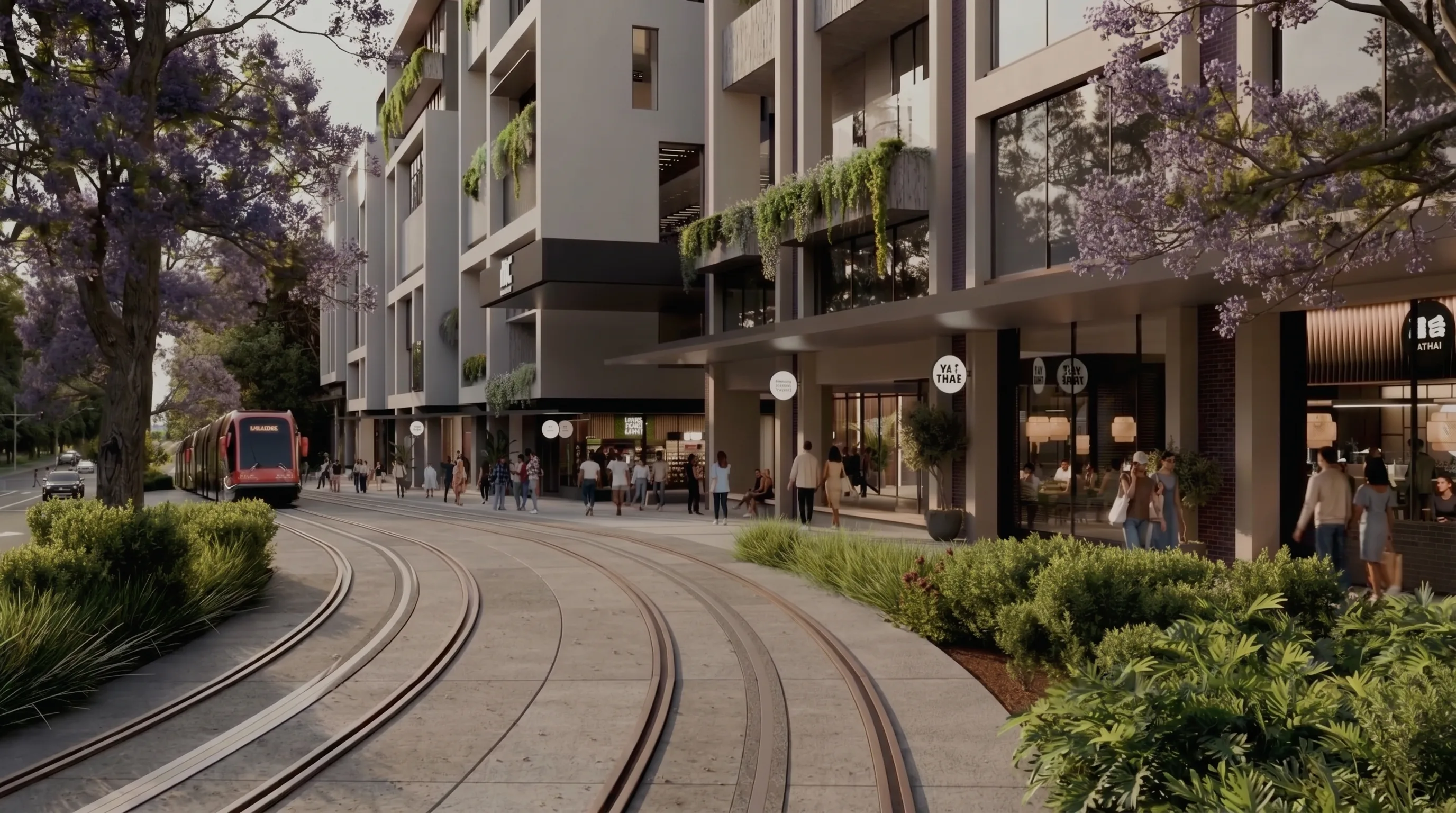
When a DIY property video is the right call
I would never tell an agent to outsource everything. That would be dishonest, and it would waste your money. There are clear cases where doing it yourself is the smart move.
Reach for DIY when the space already looks good and the light is kind. A styled, sunny apartment almost films itself. Reach for it on rentals, where budgets are thin and speed is everything. Reach for it on quick updates — a price change, a fresh open time, a market comment to camera.
DIY also shines on the personal, human posts. A thirty-second phone piece of you talking about a suburb feels honest precisely because it is rough. Polishing that too much would kill it. For those, the phone in your pocket is the correct tool, and a studio would be overkill.
Volume is another good reason to keep some work in-house. If you list a lot of similar rentals, building your own simple, repeatable format makes sense. You learn one recipe and run it fast. Paying a studio for every one of those would be poor value. Save the outside help for the listings that carry a real premium, where a better film changes the price conversation.
The honest rule I use is simple. If the listing is ordinary and the room is bright, film it yourself. If it is your hero listing, or the home is not built, bring in help.
Where a DIY property video falls short
Now the honest limits, including on my own side of the fence. DIY hits a wall in a few predictable places, and pretending otherwise would not help you.
It struggles on dull days and in dark rooms. Phones lift the shadows in a way that looks muddy and grey. It struggles with sound. Room echo and street noise are hard to fix after the fact. And it struggles with consistency, because you are human and some days you have twelve minutes, not an hour.
The biggest wall is the unbuilt home. There is nothing to point a camera at. That is not a skill gap you can train past. It is a physical one.
Editing is another quiet wall. Cutting footage well is a skill of restraint, and restraint is hard to learn alone. Most first efforts run too long. They linger on rooms, add too many transitions, and pick music that fights the pictures. You can absolutely learn to cut well. It just takes far longer than people expect, and the early results go out on real listings while you learn.
But hiring a studio has limits too, and I will name mine. A studio costs more per piece. It adds a day or two of turnaround. And an AI-built film is only as accurate as the plans it is given — if the renders are wrong, the film inherits that. So it is not magic. It is a considered trade. You pay money and a little time to buy polish, reach, and homes you could not otherwise show.
How I actually make one, and the pilot that taught me
Here is how the studio side works in practice, so it is not a black box. I start from what a property already has. Plans, renders, material boards, and any real photos. Those become the raw material. I shape them into moving footage — exteriors at golden hour, interiors you drift through, a kitchen bench you could imagine standing at. Then I direct it like a film, with pacing, sound, and a clear order of beats.
Everything in my portfolio of concept films was made this way, by me, to build the craft before selling it. That is the honest version of experience — self-made work, not a client list I do not have yet.
The pilot is the story I am proudest of, and it explains how I think. A local agent asked me to make a film for one of their apartment developments. I did not just say yes. I refused to touch it until the developer had approved the copyright on the renders I would be working from. Using someone's visuals without that permission is not a risk I will take, for me or for the agent. Once the rights were clear, I made the whole piece for free. No invoice, no catch. That is where the free pilot idea came from. It let me prove the work is real, and it kept everyone protected.
So the choice is not really DIY against a studio as enemies. It is knowing which tool fits which listing. Do the quick, bright, human ones yourself. Bring in a studio for the launches, the premium homes, and the ones that are still a fence and a promise.
Have a launch or a hero listing coming up? Start a free pilot → — one property, one finished film, no cost and no obligation.
Frequently asked questions
- Is a DIY property video good enough for a listing?
- For rentals, price updates and simple sunny apartments, yes — a steady phone clip does the job and it is fast. For a hero listing, a dark or complex home, or off-the-plan stock, a studio piece will read as more premium and win more attention.
- How much does it cost to hire a studio for a property video?
- It varies with scope, but the honest way to weigh it is against your own time. DIY looks free until you add the hours you spend shooting and editing every listing. A studio moves those hours back into selling, which is often the better trade for busy agents.
- What gear do I need to film property video myself?
- Less than you think. A recent phone, a small gimbal for steady motion, and a free or cheap editing app cover most of it. The gear is rarely the limit. Lighting a room well and editing with restraint are the skills that actually raise the result.
- Who owns the footage and renders — do I get the rights?
- You should always confirm this before anything is made. When a film is built from a developer's renders, the copyright on those visuals must be cleared first. I refuse to start a project until that permission is in writing, so the agent and the developer are both protected.
- Can I mix DIY and studio work?
- Yes, and most agents I meet do exactly that. Phone clips handle the fast, human, everyday posts. A studio handles the launches and premium homes. Mixing the two gives you volume and speed without letting your best listings look ordinary.
Planning a property video?
We run a free pilot for a small number of Sydney developers and agencies each month — one property, one finished AI-powered video, no cost.