Listing video · 8 Sept 2026
AI Real Estate Video vs Traditional Videography: A Guide
Oracreative · Updated 20 July 2026
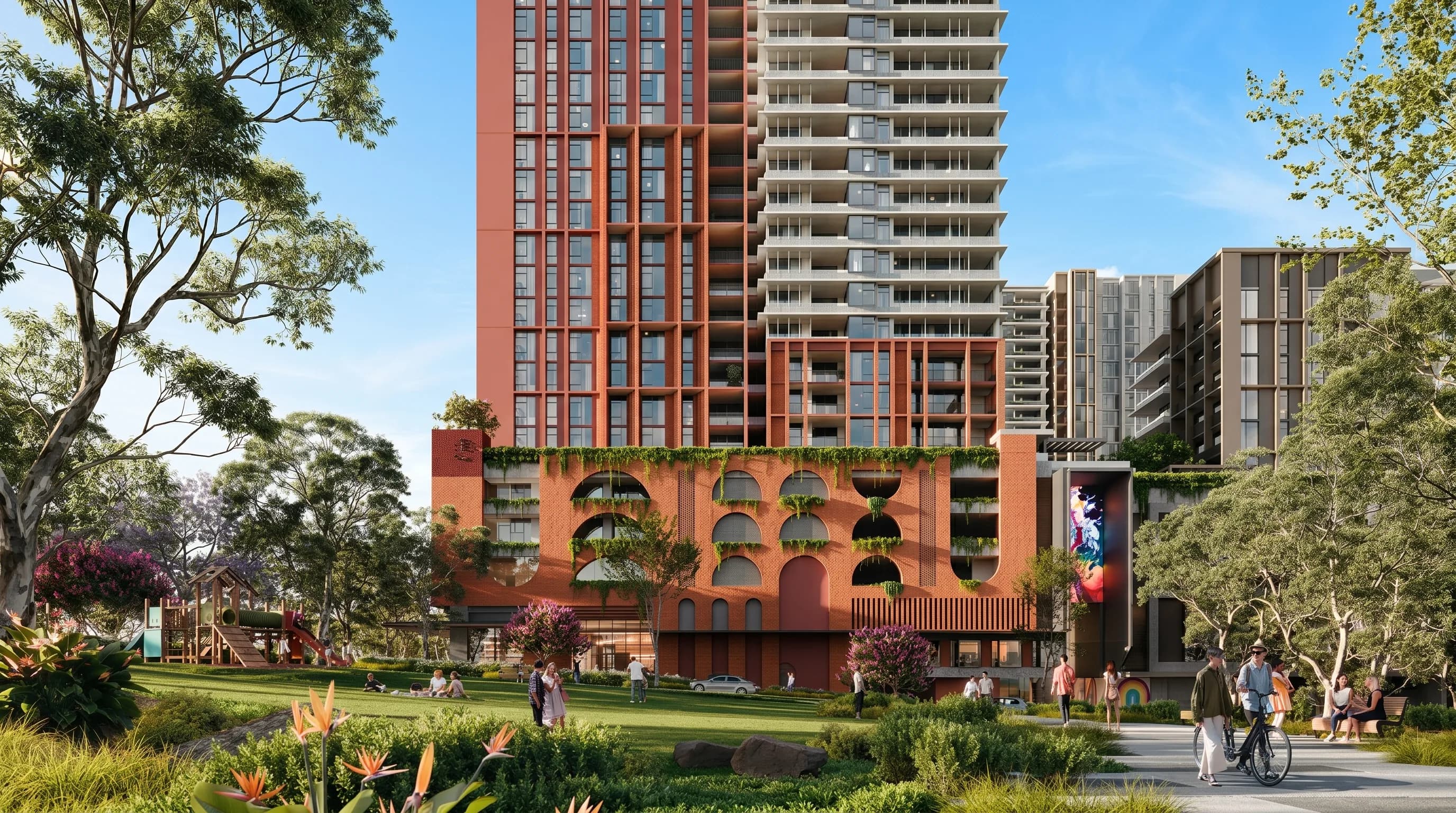
Every agent faces the same choice on a new listing. Book a crew and shoot it, or build the film another way. An AI real estate video is that other way. It renders the home from plans, photos, and renders instead of a camera on the day. This guide compares it with traditional videography, plainly. Where each one wins, what each one costs, and which listings suit which.
I have spent about three years making video. Many subjects at first, then a pull toward homes. Now I build property films with AI. I run Oracreative, a small Sydney studio, and I have made every piece in our portfolio myself. So I will not lean on a long client list I do not have. I will just be straight about the two methods. I use both ideas here, and I will tell you when a camera beats a render.
What an AI real estate video actually is
An AI real estate video is a film of a home assembled without a shoot. There is no crew on site. Instead it is built from what a listing already has. Floor plans. Photos. Existing renders. A material board. Those inputs become moving footage. An exterior at golden hour. A drift through the living room. A bench you can picture standing at.
It is not a single render. A render is one frozen image. It is not a raw 3D flythrough either. That is a technical walk of the geometry. This is a directed film. It has pacing, light, sound, and a small story. That is the part a buyer actually feels. It is the same AI property video craft I apply across finished and off-the-plan listings.
Traditional videography is the familiar route. A videographer visits the property. They light it, shoot it, and edit the footage into a listing film. It has been the default for years. It is proven, and for the right home it is excellent. The question is not which is newer. The question is which fits the listing in front of you.
Why listing video matters more than ever
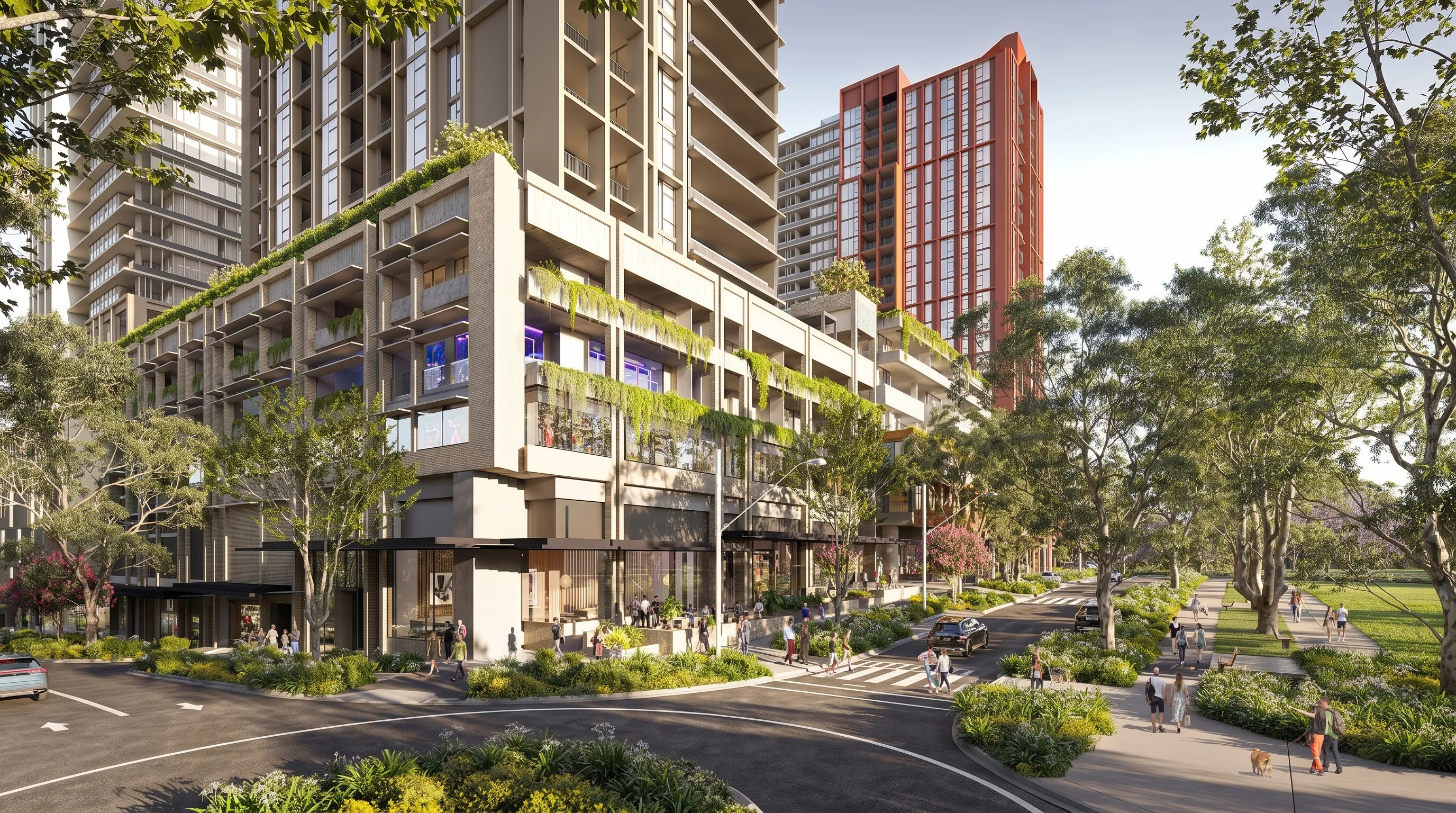
Before comparing methods, it helps to agree on why video earns its place. Photos still do the heavy lifting on a portal. But a still is easy to scroll past. Motion holds attention. A slow reveal of a facade. A step onto a balcony. A room that fills with light as the sun moves. That feeling is what makes a listing stick in memory.
Buyers behave differently now. They shortlist on their phones, at night, from the couch. A film shows scale and flow in seconds, in a way a gallery of stills cannot. It travels well too. The same cut works on a portal, in a feed, and on the display-suite screen. One asset, many placements.
This is true whether a camera or a render made the film. The method is a means. The goal is the same: give a buyer enough of the home to want to see more. Both routes can do that well. The rest of this guide is about picking the one that does it best for your listing, and your budget.
AI real estate video vs traditional videography: the real differences
Both methods end with a listing film. How they get there is where they split. A shoot captures what exists on the day. An AI film constructs what the plans describe. That one difference drives everything else — cost, speed, and what each can and cannot show.
Start with timing. A shoot needs a finished, styled home. So it happens late, once the property is ready. An AI film needs only the drawings and any assets. So it can run early, during the launch window, while the best stock is still available. For off-the-plan stock there is nothing to photograph yet, which settles the question on its own.
Then cost. A shoot pays for a crew, gear, a location, and travel. An AI film skips all of that. Its cost tracks scope instead — the number of scenes, the level of finish, the revision rounds. Neither is automatically cheaper for every job. But the AI route usually lands lower.
Quality is the honest part. On a finished, beautiful home, a great videographer catches texture and spontaneity a render has to work to match. On an empty or unbuilt space, the AI film simply has more to show. Each method has a home ground. The table below lays the differences side by side.
| Aspect | Traditional videography | AI real estate video |
|---|---|---|
| What it films | The finished, styled home | Plans, renders, and photos built into footage |
| When you can start | After completion and styling | Early — even before construction |
| Typical turnaround | Weeks (scheduling, crew, edit) | Days to two weeks (revisions, not logistics) |
| Main cost drivers | Crew, gear, location, travel | Scope, number of scenes, revision rounds |
| Empty or unbuilt spaces | Needs staging or the finished room | Built from drawings, furnished virtually |
| Best suited to | Finished, photogenic listings | Off-the-plan, empty, or wide-audience stock |
How I make an AI real estate video
The process is more grounded than the label suggests. I start with the real drawings. Floor plans and elevations fix the geometry — room sizes, ceiling heights, window positions, sightlines. That keeps the film honest. The spaces on screen match the spaces being sold.
Then I build the look. Materials, palette, and styling follow the development's real finishes and its buyer. A downsizer's apartment is dressed differently from investor stock. I lock the exterior and key interiors first, and get those frames approved. Only then do I generate the moving shots.
Editing is where a film earns its keep. I cut it like a brand piece — considered pacing, real sound, a deliberate order. Music and room tone do quiet work. I keep hero pieces short, rarely longer than a viewer's patience on a phone. Where a client has drone footage or suburb photography, I fold it in to anchor the piece to the real street.
Distribution shapes the cut too. A film has to work where buyers actually look. That means the big portals — realestate.com.au and Domain — plus social and the display suite. Each placement wants a slightly different length. I plan those outputs before rendering, so one production covers them all.
Weighing the two for a live listing? Start a free pilot → — one property, one finished video, no cost.
What each approach costs
The honest answer for both is that it depends on scope. But the cost drivers differ, and that is what matters. A traditional shoot pays people and covers a location. More time on site and more edit days push it up. A polished listing film from a crew is a real investment. For the right home it is worth it.
An AI film has no crew and no location to pay for. Its price tracks three things. The number of scenes. The level of finish. The number of revision rounds. Scope it up with more apartment types or a lifestyle sequence. Scope it down to a single hero film. It flexes to a launch budget in a way a fixed shoot day does not.
Lower cost does not mean lower quality here. The saving comes from skipping a crew and a shoot, not from cutting the edit. The grade, the sound, the pacing — that craft still takes the same care. That is the part a buyer feels, whichever method made the film. You can see the range of what I have made across the work in my portfolio.
What you need to brief either method
Both methods start with a good brief, and the list is shorter than people expect. For a traditional shoot, you need access, a styled home, and a window in the diary. For an AI film, you need the drawings and any assets you already hold. Neither needs a huge budget to begin.
To start an AI piece, gather a few things:
- the floor plans and elevations;
- any renders, or a material and finishes board;
- a clear idea of the buyer — downsizer, investor, or family;
- a reference film or two you admire;
- where the piece will run: portal, social, or a display-suite loop.
The buyer decision matters most. It shapes the styling and the story more than anything else. Name one person to give consolidated feedback, too. Notes from a committee are the most common cause of a blown timeline, on either method. A short brief, written before the first frame, saves the most time of all. It keeps every revision focused on craft, not on re-arguing the idea.
Where AI video has limits
An honest guide names the trade-offs. AI is strongest when a project is still on paper, or empty. It is not a magic fix for every case. On a finished, genuinely photogenic home, a good shoot can catch real light, real weather, and real people in a way a render has to chase.
There are guardrails too. The film often shows a home that is not built, or not styled. So it must stay true to the approved plans and finishes. A film that oversells a view or a ceiling height is not just poor taste. It is a compliance risk. The output is also only as good as the inputs. Vague drawings and no sense of the buyer produce a generic result.
Rights are part of that honesty. The renders and photos an AI film uses can belong to the developer. A local agent once asked me to make a film to help sell an apartment. I said no at first. I asked the agent to get the developer's approval to use the renders before I built anything. Once that sign-off came back, I made the film end to end, free of charge. Rights first, film second — that order is not negotiable.
There is a trust cost to getting it wrong. A buyer who feels misled at handover will talk, and in a small market that travels fast. So I treat accuracy as marketing, not just as a box to tick. I would rather scope a job honestly than pretend AI removes every constraint.
When a traditional shoot still wins
I am not here to retire the videographer. There are listings where a camera is the right call, and I will say so. A finished home with beautiful light and genuine character deserves a real shoot. So does a property where the story is the people in it — a busy cafe strip, a working farm, a lived-in family home.
Spontaneity is the other one. A shoot can catch a moment nobody planned. A gull over the balcony. A shaft of afternoon sun. A dog crossing the yard. Those unscripted beats read as real because they are. An AI film can imply that feeling, but it cannot stumble onto it. When that texture is the selling point, book the crew.
The point is not to pick a side forever. It is to match the tool to the home. Sometimes the answer is both — a shoot for the finished penthouse, AI for the empty stock in the same building. A studio that only sells one method will always recommend that method. I would rather send you to the right one.
Getting more from a single production
Whichever method you pick, plan the outputs before you start. One production can be cut several ways at little extra cost. A sixty-second hero film for the launch. Fifteen-second vertical clips for social. A silent loop for the display suite. A longer walkthrough for the portal listing and the investor pack.
The saving is real on both routes, but it is largest with a render. Once the scenes exist, re-cutting them for a new placement is cheap. A shoot can be re-edited too, but you are limited to the footage captured on the day. Deciding the formats up front means the crew, or the render, covers them all in one pass.
Think about sequence as well. A teaser can build a waitlist before launch. The hero film anchors the launch itself. Shorter cuts keep a campaign alive as stock sells. One production, released deliberately, does far more than a single clip posted once and forgotten.
How to choose for your listing
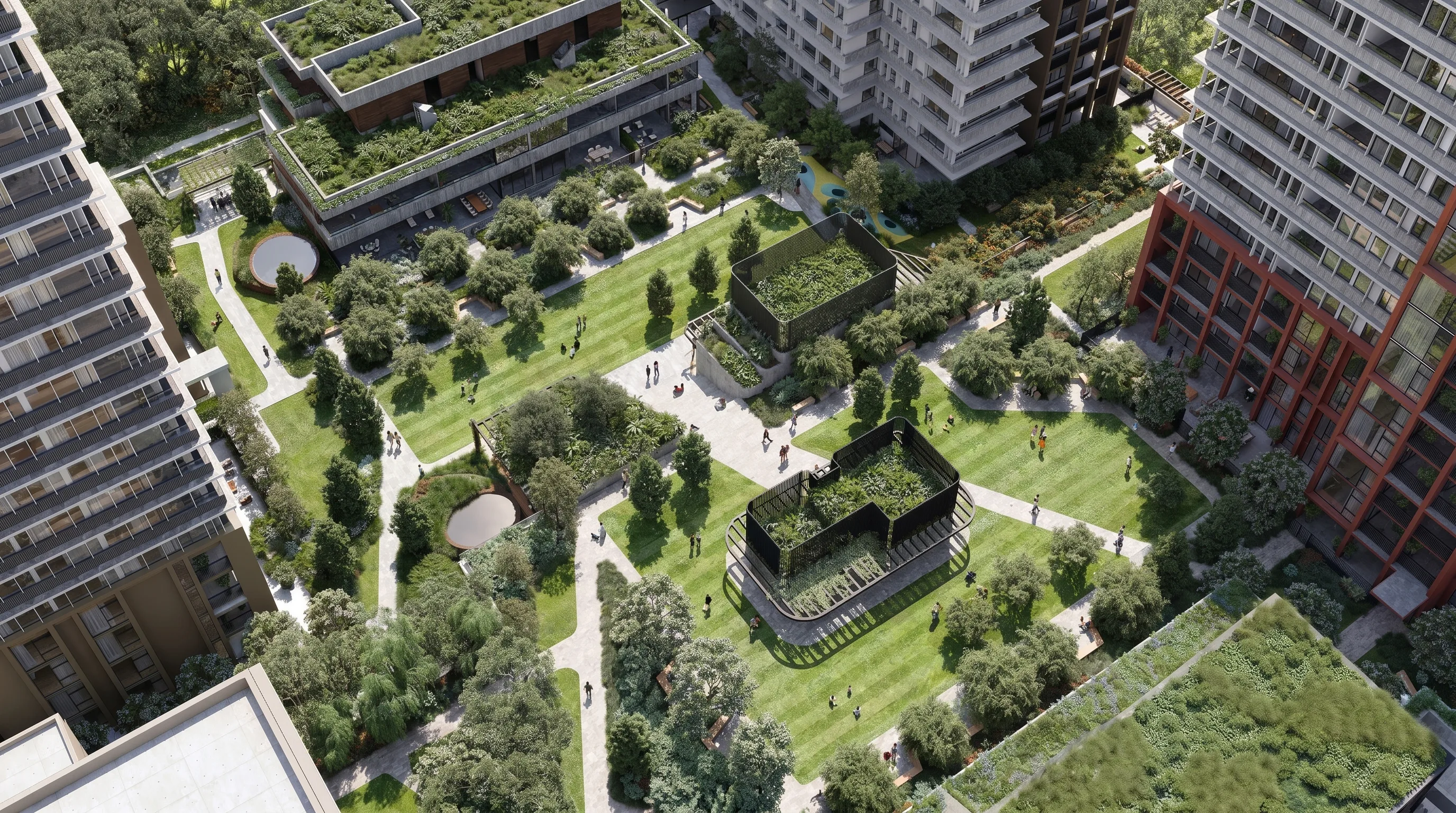
Start with one question. Does the home exist, finished and styled, right now? If yes, and it photographs well, a traditional shoot is a strong default. If no — if it is off the plan, empty, or mid-construction — an AI film is often the only way to market it on time.
Then think about the buyer pool. A wide, interstate, or overseas audience rarely visits in person. A film reaches them at full strength. AI makes one affordable across every apartment type, not just the display unit. If your buyers are mostly local and will walk through anyway, a shoot may be enough.
Budget and timing decide the rest. Need it this week, before construction, on a launch budget? AI. Have a finished, photogenic home and room in the schedule for a crew? A shoot. For the format itself — what a good one contains, what it costs, where it should live — my guide to the real estate listing video goes deeper.
If you are still unsure, that is normal. The honest recommendation depends on the specific home, the buyer, and the deadline. I am happy to look at a listing and tell you which route I would take — even when the answer is a traditional shoot, not me. Matching the method to the property beats defending a method every time.
Frequently asked questions
- Is an AI real estate video cheaper than traditional videography?
- Usually, yes. There is no crew, location, or travel to pay for, so cost tracks scope — the number of scenes, the finish, and the revision rounds. A single hero film sits at the lower end; a full suite of apartment types costs more. A traditional shoot can still be worth its higher cost on a finished, photogenic home.
- Does AI video replace a real estate videographer?
- No. It is a different tool for a different job. AI shines on off-the-plan, empty, or wide-audience stock, and on tight timelines. A skilled videographer still wins on a finished, characterful home and on genuine, unscripted moments. Often the smart answer is to use both across one project.
- How long does an AI real estate video take to make?
- Most single pieces are delivered within days to two weeks. Because there is no shoot to schedule, the timeline is driven by revision rounds rather than logistics. Locking the look early — the exterior and key interiors — keeps it on the shorter end.
- Can you make a video before the property is built?
- Yes. That is one of the format's main advantages. From floor plans, elevations, and any existing renders, I can produce exteriors, interiors, and lifestyle scenes before construction finishes — so a launch can run while the best stock is still available.
- Who owns the copyright to the renders and photos used?
- The developer usually owns the source renders and photography. Before I make an AI film, I ask for the developer's approval to use them — I once turned a job down until that sign-off was in place. It protects the developer, the agent, and the buyer, and it is non-negotiable.
Planning a property video?
We run a free pilot for a small number of Sydney developers and agencies each month — one property, one finished AI-powered video, no cost.