Off-the-plan · 22 July 2026
CGI Property Walkthrough vs Filmed Video: Which Sells?
Oracreative · Updated 27 Sept 2026
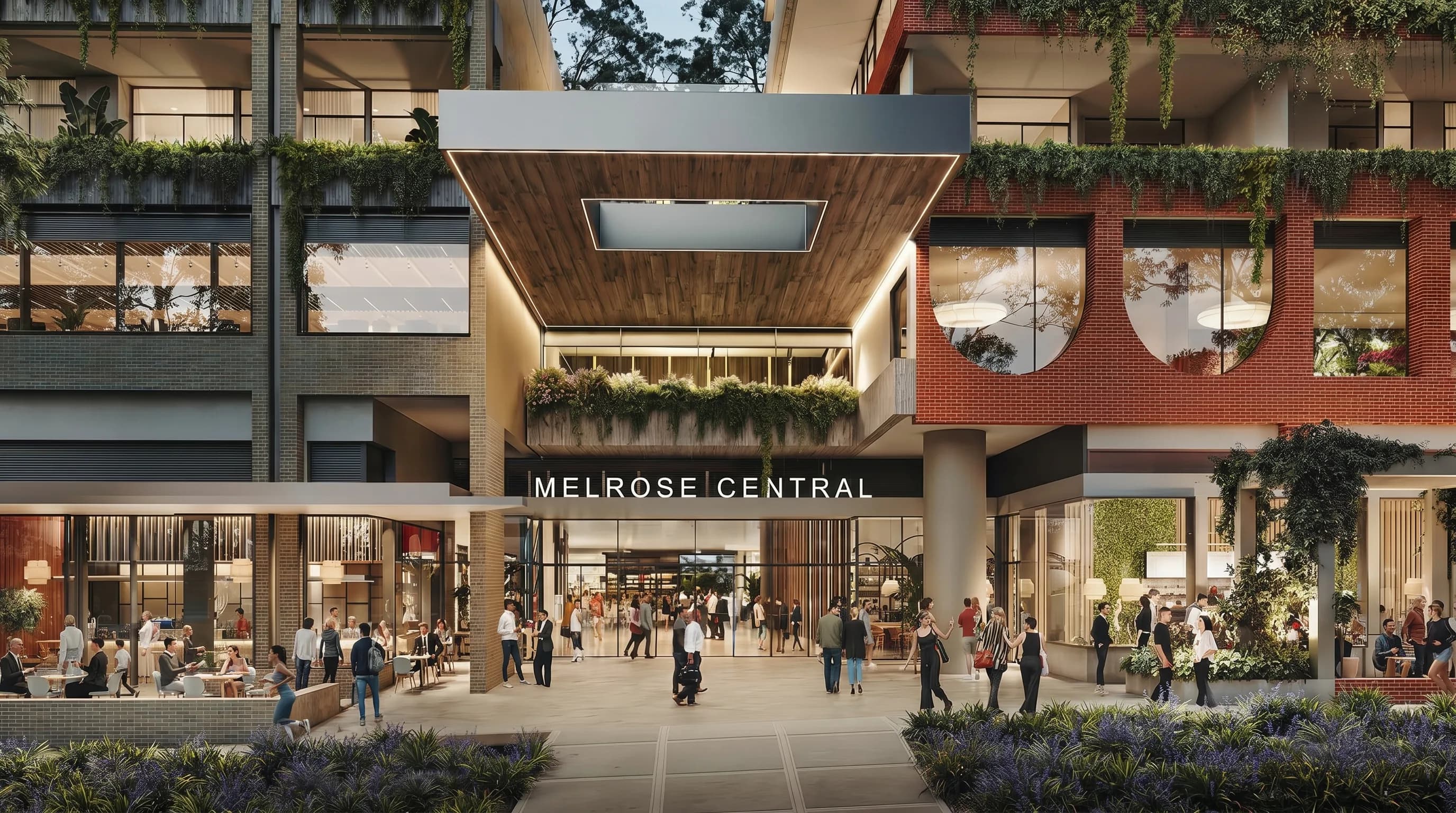
A CGI property walkthrough and a filmed property video look similar on a listing. They are not the same thing. One is built from drawings before a brick is laid. The other is shot with a camera once the home exists. Both can sell a property. But they win in different situations, and choosing wrong wastes money.
I have spent about three years making video, and almost all of it is now property. What I make is the built-from-plans kind, and I make it with AI rather than a 3D modelling pipeline or a camera crew. Every piece in our portfolio I made myself. So here is an honest comparison: what each one is, when each wins, whether to combine them, and how I would choose for a real launch.
What a CGI property walkthrough is
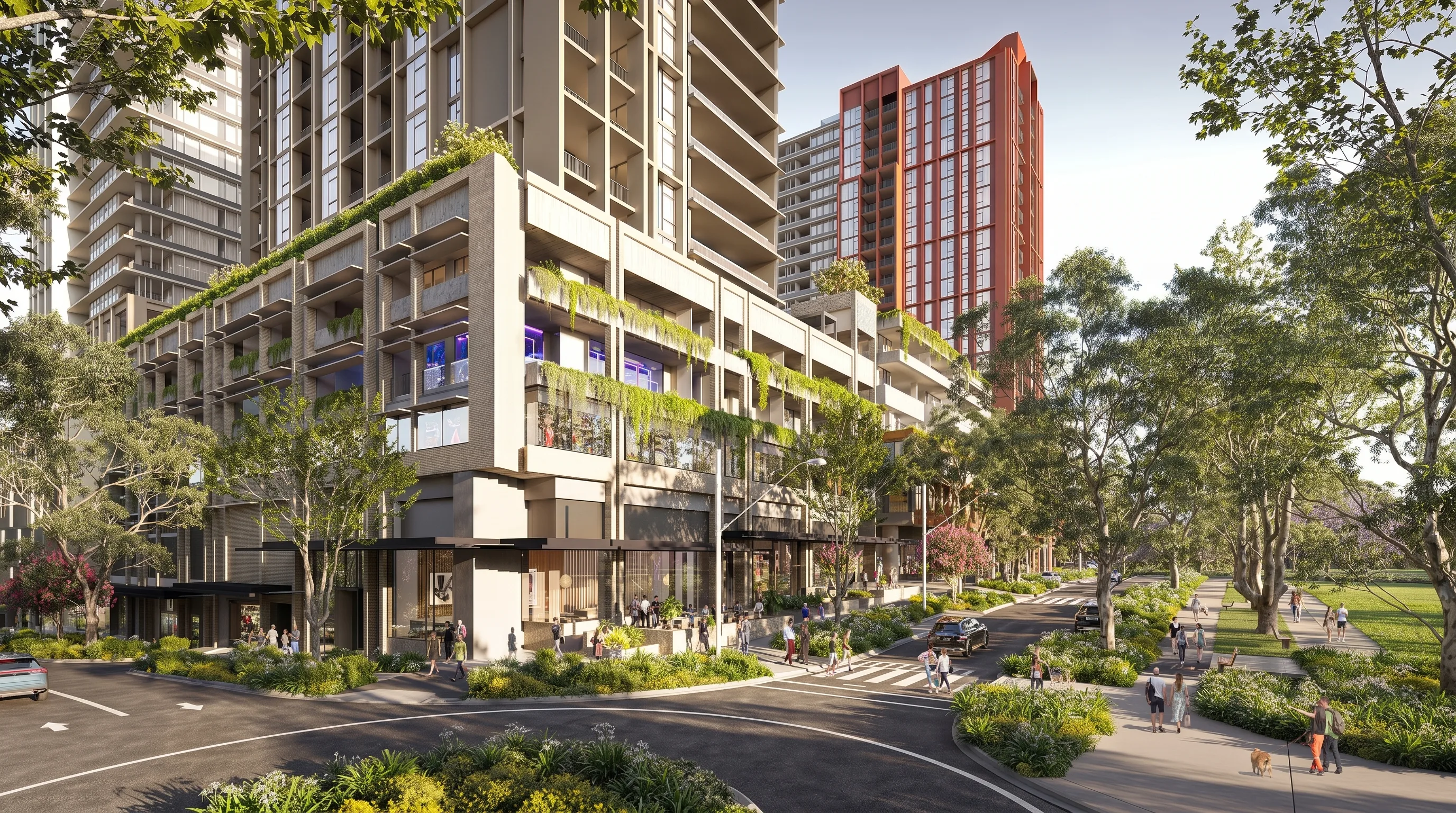
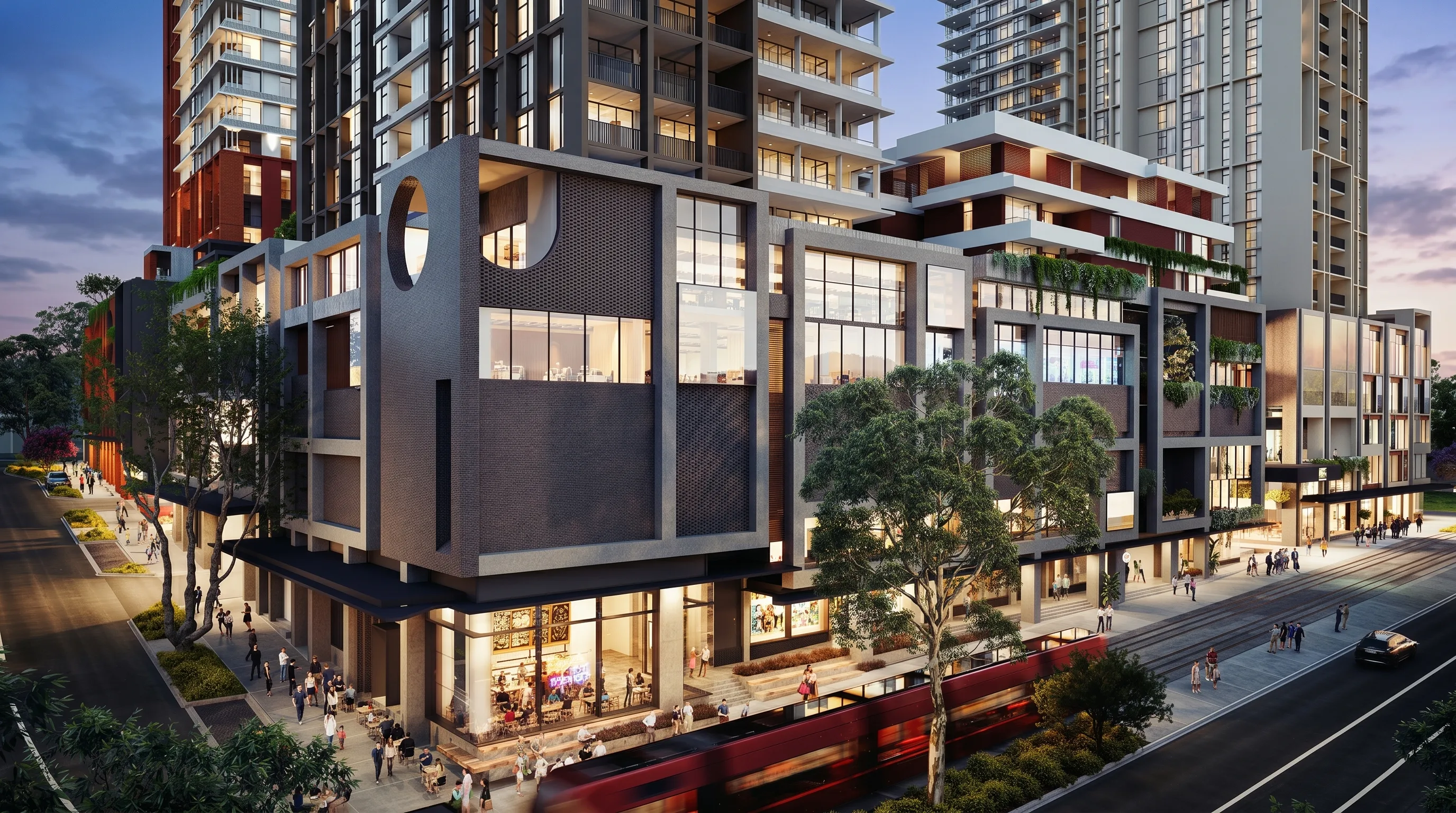
A CGI property walkthrough is a moving, three-dimensional tour of a home that does not exist yet. It is built from the architect's floor plans, elevations, and material boards. The rooms, the sightlines, and the finishes are modelled, then a virtual camera moves through them. Modern AI production takes this further, adding photoreal light and lifestyle detail that older renders never had.
One note on the word. In this article I use CGI in its broad sense: any walkthrough generated from the plans rather than filmed on site. That covers both the hand-modelled 3D animation a visualisation house produces and the AI-generated video I make. They differ in how the picture is built — a 3D studio models every wall, I generate the scenes from the plans, renders, and material boards — but they sit on the same side of the fork against a filmed shoot. If you need the exact geometry of a hand-built model, commission a 3D studio; I do not run that pipeline, and I say so up front.
The point is that nothing needs to be built. You can walk a buyer through the living room, onto the balcony, and past the kitchen while the site is still a construction fence. It is the same craft behind any good off the plan property video, and it is the reason developers can launch a project months before completion.
What a filmed property video is
A filmed property video is exactly what it sounds like. A camera operator visits the finished home. They shoot the rooms, often with a gimbal for smooth motion, and sometimes a drone for the exterior. An editor then cuts it into a short film with music and pacing.
Filmed video has a real strength: it captures things that are hard to invent. The actual light at a certain hour. A breeze through the curtains. Real people living in the space. When a home is genuinely photogenic and finished, a good shoot is hard to beat. The catch is that the home has to exist first, styled and access-ready.
Both formats end up in the same places. A buyer scrolling a listing on realestate.com.au or Domain does not care how the video was made. They care whether it makes the home feel real. So the honest question is not which method is more impressive. It is which one, for your property, makes a buyer stop scrolling and book an inspection.
The key differences at a glance
Both sell a home, but they pull different levers. One is available early and endlessly flexible. The other is grounded in reality but slower and more expensive to arrange. The table lays it out.
| Factor | CGI walkthrough | Filmed video |
|---|---|---|
| When you can make it | Before construction, from plans | After completion and styling |
| Turnaround | Days to two weeks | Weeks (schedule, shoot, edit) |
| Cost drivers | Scenes, finish, revisions | Crew, gear, location, travel |
| Changing a finish later | Edit the model | Re-shoot the room |
| Real people and weather | Simulated | Genuine |
| Best for | Off-the-plan, empty stock | Finished, photogenic homes |
What buyers actually notice
Buyers do not analyse the production method. They react to feel. Listings with video on portals like Domain consistently draw more engagement than photos alone. But the reason is emotional, not technical. Motion makes a home feel inhabited.
What they notice is whether the space feels like somewhere they could live. Good light. A sense of scale. A flow from room to room. Both CGI and filmed video can deliver that, when they are done well. Both can also fail. A cold, empty filmed room loses buyers just as fast as a plastic, low-detail render. The method matters less than the care.
So when I choose between them, I am really asking one thing. Which approach, for this specific home, produces the version a buyer will believe? Sometimes that is a camera. Sometimes it is a model. Usually, for off-the-plan, it is a model with real footage woven in.
When a CGI property walkthrough wins
CGI wins whenever the home is not ready to film. That covers a lot of ground. Off-the-plan apartments, obviously. But also empty stock that shows poorly, or a dated interior you want to reimagine. If there is nothing photogenic to point a camera at, CGI gives you a beautiful space to sell.
It also wins on flexibility. A finish changes and you edit the model, not re-book a crew. You need the same apartment shown in three colour schemes, and CGI simply renders three. For a project with several apartment types, one CGI production can cover them all in a consistent look. That is very hard to match with a shoot.
And it wins on timing. The best window in a launch is early, when interest peaks and the best stock is still available. That is exactly when there is no finished building to film. A CGI walkthrough lets you lead with polish in that window, instead of waiting months for construction.
When a filmed video wins
Filmed video wins when the home is finished, styled, and genuinely photogenic. A heritage terrace with real character. A waterfront home where the actual light does the work. In those cases, a camera captures a truth that is hard to model, and buyers can feel it.
It also wins when the story is about real life. An owner cooking in the kitchen. Kids in the yard. A cafe two doors down that the film visits for real. That authenticity carries weight, especially for a lifestyle-led listing. If you have the finished home and the budget for a good crew, filmed video earns its place.
Filmed also wins on speed of trust. Buyers know a camera cannot invent a room that is not there. So a shoot of a real, finished home carries an unspoken guarantee. With CGI, that trust has to be earned through accuracy and honesty. It is very achievable, but it is a responsibility a camera does not carry in the same way.
Not sure which fits your project? Start a free pilot → — I will produce one, free, so you can see the result.
Can you combine them?
Often, yes, and it is frequently the best answer. Where a project has some real footage — a drone pass of the site, photography of the surrounding suburb, a finished display apartment — I fold it into the generated film. The film then feels anchored to the real street rather than floating in a generic city.
This hybrid gives you the best of both. The CGI covers what does not exist yet. The real footage grounds it in a place buyers can verify. For an off-the-plan launch with a display suite, combining the two is often stronger than either alone. You can see examples of this approach in the work I have made.
The trick with hybrids is matching the light. If the real drone footage was shot at dusk, the CGI interiors should feel like the same evening. When the two are graded to sit together, a viewer never notices the seam. When they are not, the film feels stitched. That craft in the edit is what separates a convincing hybrid from an obvious one.
Which fits which project
It helps to make it concrete. Here is how I would call it for the projects I see most often.
- Off-the-plan apartment tower — CGI-led, with a drone pass of the site woven in. Nothing is built, and you need every apartment type covered.
- House and land in a new estate — CGI for the unbuilt homes, filmed video once a display home is finished and styled.
- Finished luxury home — filmed. The light, the materials, and the real setting are the whole pitch.
- Empty apartment that shows poorly — CGI or virtual staging, so buyers see potential instead of bare walls.
The pattern is consistent. The less there is to film, the more CGI earns its place. The more real and photogenic the home, the more a camera pays off. Most launches sit somewhere in the middle, which is exactly why the hybrid approach is so common in property marketing today.
Cost and time compared
The cost structures are genuinely different. A filmed video pays for a crew, equipment, a location, and travel. Those are fixed costs that arrive whether the shoot goes smoothly or not. A CGI walkthrough pays instead for scenes, level of finish, and revision rounds. There is no crew and no site to access.
In practice, CGI is usually the more affordable of the two for a comparable result, and it is faster. Most single CGI pieces land within one to two weeks, because there is nothing to schedule. A filmed shoot depends on the property being ready, the weather cooperating, and a crew being free. Lower cost here does not mean lower quality. The savings come from skipping the shoot, not from cutting the edit.
There is a hidden cost to filming too early, as well. If you shoot a display apartment before the wider project is styled, you often end up re-shooting later. CGI avoids that. You build once, then edit the model as finishes are confirmed. For a project that evolves over months, that flexibility can save more than the headline price difference between the two methods.
How I would choose
My rule is simple. If the home exists, is styled, and looks great on camera, film it. If it does not exist yet, or shows poorly, build a CGI walkthrough. If you have a bit of both — a display suite and unbuilt stock — combine them.
Then let the goal decide the detail. A fast launch with wide reach favours CGI, cut for every channel. A single hero listing of a beautiful finished home favours a shoot. For most off-the-plan projects the strongest answer is a CGI-led campaign with real footage woven in, because it covers the whole project and still feels grounded.
I also factor in how the project will change. If finishes and layouts are still moving, CGI is safer, because edits are cheap. If everything is locked and a display home is ready, a shoot captures it beautifully. There is rarely one right answer for a whole project. Different apartment types, at different stages, can each get the treatment that suits them best.
Common mistakes
The first mistake is filming an empty, unstyled apartment because it is cheaper than CGI. It is not cheaper if the result does not sell. An empty room reads as cold, and buyers feel it. The second is using dated, low-detail renders and calling it a walkthrough. Old CGI looks plastic, and it damages trust rather than building it.
The third is overselling with either tool. A filmed video shot in perfect once-a-year light, or a CGI view that will never exist, both create a gap between the marketing and the handover. That gap costs trust. I would rather show a home honestly and let it win on its real merits.
Where neither is the answer
Neither format fixes a deeper problem. If a project is priced wrong for its market, no walkthrough will save it. If the layout genuinely does not work, a beautiful film only delays the truth. Video and CGI are marketing, not magic. They make a good home irresistible. They cannot make a poor one good.
There is also a compliance line. Because a CGI property walkthrough shows a home that does not exist, it has to match the approved plans and finishes. Overstating a view or a ceiling height is a risk, not a flourish. Honest marketing protects the developer, the agent, and the buyer at once.
The same honesty applies to a filmed video, just in reverse. A shoot staged with borrowed furniture and shot in flattering once-a-year light can mislead as easily as an over-egged render. Neither tool is honest or dishonest by nature. The person making it is. I would rather a home win on what it truly offers than on a trick that unravels at the first inspection.
How to decide for your project
Start with one question: does the home exist and look good today? If yes, lean filmed. If no, lean CGI. If it is somewhere in between, combine them and let the real footage anchor the build. You do not need to guess in the dark.
If you want to compare them on your own stock, that is what a pilot is for. I will produce a piece, free, so you can judge the result rather than take my word for it. You can read more about how I work on the property films and visualisation page, or send a project through and I will tell you honestly which approach fits.
Frequently asked questions
- What is a CGI property walkthrough?
- It is a moving 3D tour of a home built from the architect's plans and renders, before construction. A virtual camera moves through modelled rooms with photoreal light, so buyers can experience the space while the site is still under construction. The term covers both hand-modelled 3D animation and AI-generated video; the walkthroughs I make are the AI kind.
- Is a CGI walkthrough better than a filmed video?
- Neither is better outright — they win in different cases. CGI wins for off-the-plan or empty stock and for flexibility. Filmed video wins for finished, photogenic homes and real-life authenticity. Many campaigns combine both.
- Can you mix real footage with CGI?
- Yes, and it is often the strongest option. Drone passes, suburb photography, or a finished display apartment can be folded into the CGI, so the film feels anchored to the real location rather than a generic city.
- Which is cheaper, CGI or a filmed shoot?
- CGI is usually more affordable for a comparable result, because there is no crew, location, or travel, and no wait for the building. It is also faster, with most single pieces delivered within one to two weeks.
- Does a CGI walkthrough have to match the real apartment?
- Yes. Because it depicts a home that does not exist yet, it must stay true to the approved plans and finishes. Overstating a view or a ceiling height is a compliance risk, so accuracy is treated as part of the marketing.
Planning a property video?
We run a free pilot for a small number of Sydney developers and agencies each month — one property, one finished AI-powered video, no cost.