Off-the-plan · 27 July 2026
Off the Plan vs Completed Listing Video: What Changes
Oracreative · Updated 19 Aug 2026
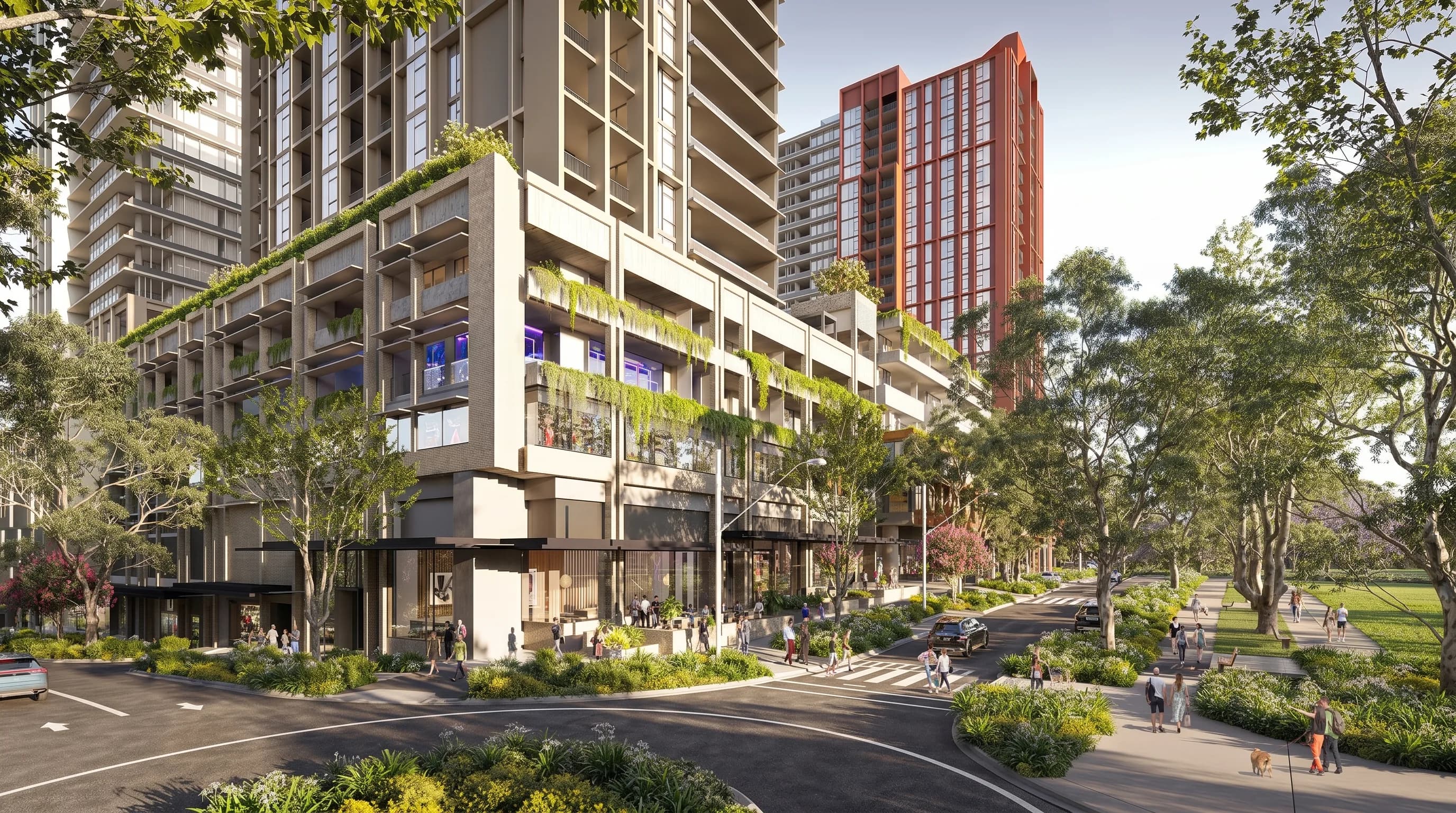
If you sell property in Sydney, the choice of off the plan vs completed listing video changes almost everything about the production. One property does not exist yet. The other is standing in front of you. That single fact reshapes the brief, the budget, the legal work, and the story you can honestly tell. I make property video for a living, so this is the first question I ask any agent.
Here is where I am coming from. I have spent about three years making video, and everything I show is self-made rather than outsourced. My studio is new as a business, but the craft is not new to me. My first property job was unpaid on purpose. An agent asked me to cut an apartment film from a developer's renders. I said no until the developer confirmed I could use those renders. Once the copyright was clear, I made the film at no charge. That order, rights first and production second, is the habit this whole article is built on.
What off the plan vs completed listing video really means
Let me define both plainly. A completed listing video starts from the real rooms. The apartment or house is finished, so the agent or photographer supplies photographs of what is there, and I build the film from those with AI. I do not run a camera crew; the photos are the source. An off-the-plan video sells a property that has not been built. There is nothing to photograph. So the footage is made from architectural renders, animated plans, and AI visualisation.
That gap drives the entire comparison. When people search off the plan vs completed listing, they are really asking which production path fits their stage of sale. It is not a style choice. It is a physics choice. You cannot photograph a room that has only been drawn.
I wrote a longer primer on the first format in my off-the-plan property video guide, and this piece sits right next to it. Here I want to hold the two formats up together, because most agents will handle both in a single career, sometimes in the same month.
The brief changes before the production does
The two briefs start in different places. For a completed listing, my first questions are about the photographs. Who took them, and at what hour? Are they full-resolution originals or portal-sized crops? Is the property staged or empty in them? I am planning a film around a real space I will only ever see through those images, so the photo set decides a lot.
For off-the-plan, my first questions are about assets and permission. Who made the renders? Are they final? Can I legally use them? Sometimes the renders do not exist yet and I am animating raw plans. The work is closer to motion design than to filming.
Buyers feel this difference even if they cannot name it. Someone scrolling listings on realestate.com.au expects a completed home to look real, because it is. They forgive a render that looks like a render, as long as it is honest. So the brief has to decide, up front, how each frame will be labelled.
This is also where I set expectations on time. A completed listing, once the photos are in my hands, can be built and edited inside a week. An off-the-plan piece depends on how ready the renders are, and that timeline lives with the developer, not with me.
What you can photograph versus what you must build
On a completed listing, the limit is the property itself. If a room is small, the photographs show a small room, and the film I build stays faithful to them. I can grade it well and choose the flattering frames. I cannot make it bigger, and I will not. Honesty is built in, because the buyer will stand in that exact room.
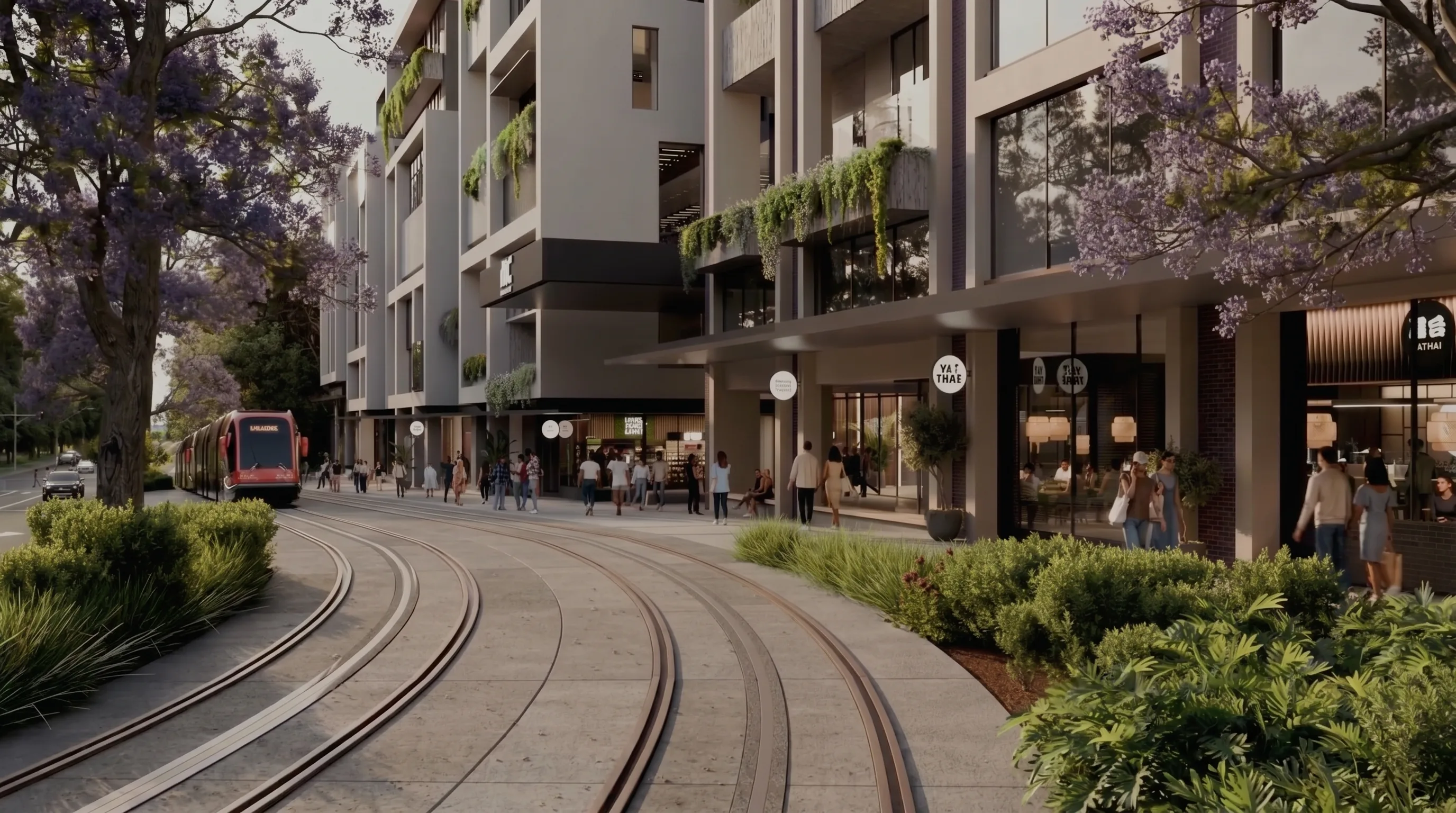
On an off-the-plan project, almost everything is a build. The kitchen finish, the view from level twelve, the morning light in the living room, all of it is a decision made in software. That is powerful. It is also a responsibility. A render can promise a view that a real balcony will not deliver.
So I hold one rule. Every off-the-plan frame is a visualisation, and I say so. I would rather under-promise than hand a buyer a surprise on settlement day. The best developers agree, because a disappointed buyer is a legal problem, not just a sad one.
You can see how I treat both kinds of source material across my portfolio of self-initiated work. None of it invents a client. It is concept and self-made film, built to show method rather than to claim a track record I do not have.
Rights and copyright come first
This is the section most people skip, and it is the one that started my studio. Renders are created by someone. Usually the developer commissioned them, and a visualisation studio owns or licenses them. An agent handing me a folder of images does not automatically have the right to pass them on for a new video.
So I ask a boring question every time. Do we have written permission to use these renders in a marketing video? If the answer is unclear, I stop. That is exactly what I did on my first job. The agent was keen, the renders were beautiful, and I still waited until the developer confirmed the copyright in writing.
Completed listings have their own version of this. If the photos show a styled home, the stylist's furniture and any artwork on the walls can carry rights too, and so can the photographs themselves — the photographer's licence needs to allow video use. It is rarely a problem, but I still check. My services page for property media spells out how I handle approvals before a project starts.
None of this is legal advice. I am a video maker, not a lawyer. But treating rights as step one, rather than an afterthought, has kept every project I have touched clean.
Off the plan vs completed listing video, side by side
Here is the quick comparison I keep in my head. Neither column is better. They answer different questions at different stages of a sale.
| Factor | Off-the-plan video | Completed listing video |
|---|---|---|
| Source material | Renders, CGI, animated plans | Photographs of the real rooms, supplied by the agent |
| Does it exist yet? | No, it is still being built | Yes, ready to photograph today |
| Rights work | Written render permission required first | Check the photo licence, styling and artwork |
| Honesty label | Must be marked as a visualisation | Shows the actual rooms as they are |
| Typical timeline | Tied to render readiness and the developer | Often booked and delivered within a week |
| Biggest risk | Over-promising a space or a view | Showing a flaw you cannot hide |
| Best suited to | Pre-construction sales and launches | Immediate resale or lease listings |
What you are really paying for
People assume off-the-plan video is cheaper because there is less to start from. Often it is the reverse. Building a film from a clean set of photographs of a finished apartment is fast. Building a believable render sequence takes hours of careful work per shot, and the source renders themselves may have cost the developer a great deal.
With a completed listing, you pay for the build and a clean edit. The cost scales with how many rooms the photos cover and how much each one needs. It is predictable. I can quote it after looking at the photo set.
With off-the-plan, you pay for craft and for coordination. I have to gather assets, confirm rights, and often wait on the developer's schedule. The number depends less on the property and more on how ready the visual material is. A launch with finished renders is quick. A project with half-drawn plans is not.
My honest advice is to budget for the stage, not for the label. A rushed render sequence looks worse than a simple, well-lit walk-through. If the money is tight and the building is already up, photograph it well and build from that.
Not sure which format your listing needs? Tell me the stage of the project and I will tell you honestly what I can build from your photos and what I would have to visualise from plans. Start a free pilot →
Mistakes that make either format fall flat
I have watched both formats fail for avoidable reasons. The failures are different, so it helps to name them before a project starts.
With off-the-plan, the first mistake is treating renders as reality. A still image can hide a lot. Motion cannot. When I animate a render, weak modelling and flat lighting suddenly show. So I do not just cut the images together. I regrade them, add depth, and pace them so the eye stays busy in the right places. Skipping that step gives you a slideshow, not a film.
The second off-the-plan mistake is silence on the honesty question. If a video never signals that it is a visualisation, a buyer can reasonably assume it is real. That is unfair to the buyer and risky for the developer. A small, clear label solves it, and it costs nothing.
With completed listings, the most common mistake is rushing the photographs. An untidy kitchen, harsh midday light, or a cluttered bench in the source photos will sink an otherwise good property, because AI builds on what it is given. Ten minutes of tidying and the right hour of light before the photos are taken do more than anything I can do afterwards.
The third mistake, shared by both, is over-editing. Fast cuts and loud music feel exciting for ten seconds and exhausting for thirty. A home is a calm purchase. The video should feel calm too. I would rather a buyer finish the film and remember the rooms than remember the transitions.
Every one of these is fixable. None of them needs a bigger budget. They need attention, and a maker who cares more about the buyer's trust than about looking clever.
How I would build each one
For a completed listing, I plan around the photographs. I ask for the rooms in their best light — which glow in the morning, which need the afternoon — and I tell the agent exactly which angles I need before anyone lifts a phone. Then I keep the generated camera moves slow and steady. Buyers want to read the space, not get dizzy.
For off-the-plan, I plan around story. Since every frame is built, I am not limited by walls or weather. So I design a journey. Approach the building, step into the lobby, rise to the apartment, land on the view. I still keep it grounded. A flythrough that ignores real sightlines feels fake, and buyers notice.
Music and pace matter for both. I tend to under-score rather than over-score. A calm track lets the home speak. When I compare notes with what performs well on domain.com.au listings, the quiet, well-lit videos tend to hold attention longer than the flashy ones.
Sound design is the quiet half of both jobs. A door click, a soft room tone, a distant street. These small touches make a photographed home feel lived-in and make a rendered one feel plausible. I add them carefully, never loudly. The goal is a video that feels like a place you could walk into, not a showreel.
Editing is where the two formats meet. Whether the source was photographs or renders, the cut has to feel like one place, one mood, and one honest promise. I watch every version on a phone before I sign it off, because that is where most buyers will first see it.
Where each approach has limits
Let me be honest about the weak spots, because pretending they do not exist helps no one.
Off-the-plan video can drift from reality. Renders are made to sell, and it is easy to nudge a ceiling higher or a view clearer than it will be. I fight this with restraint and clear labelling, but the risk is real. A buyer who feels misled at handover is a buyer who leaves a bad review, or worse.
Completed listing video has the opposite problem. You cannot hide a flaw. A dark room stays dark. A tired kitchen stays tired. Good grading and framing help, but the photographs are honest whether you like it or not, and so is the film built from them. Sometimes the honest answer is that the property needs a tidy-up before the photos are taken.
There is also my own limit. I am one person running a young studio. I am not going to claim I have made films for hundreds of towers, because I have not. What I offer is careful method, real craft, and a rights-first habit that protects everyone. For some projects that is exactly right. For a giant national campaign, a bigger team may fit better, and I will say so.
My take on choosing between them
Do not pick the format that looks more impressive in a pitch. Pick the one that matches where the property actually is. If it is built, photograph it and build from the photos. If it is being built, visualise it, label it clearly, and get the render rights in writing first.
Both formats can sell beautifully. The completed listing wins on trust, because it is real. The off-the-plan piece wins on imagination, because it can show a future that does not yet exist. Used honestly, each does a job the other cannot.
That is the whole point of holding off the plan vs completed listing video up together. Once you see them as two tools rather than two styles, the choice gets simple. And a simple, honest choice is usually the one that earns a buyer's trust.
Frequently asked questions
- What is the main difference between off the plan and completed listing video?
- A completed listing video is built from photographs of the finished rooms, which the agent supplies. An off-the-plan video is built from renders, CGI, and animated plans because the building does not exist yet. That changes the brief, the rights work, and the timeline.
- Do I need permission to use a developer's renders in a video?
- Yes. Renders are owned or licensed by whoever created them, usually through the developer. Get written permission to use them in a marketing video before any editing begins. On my first project I waited until the developer confirmed the copyright in writing.
- Is off-the-plan video cheaper than filming a finished home?
- Not usually. Building a film from good photographs of a completed apartment is fast and predictable. A believable render sequence takes hours of work per shot, and the source renders themselves are expensive to produce, so budget for the stage of the project rather than the label.
- How long does each type of video take to produce?
- A completed listing can often be built and edited within a week once the photos are in. An off-the-plan piece depends on how ready the renders are, and that timeline sits with the developer, so it can be quick or slow depending on the material.
- Which format should I choose for my listing?
- Match the format to where the property is. If it is built, photograph it and build the film from those photos for trust. If it is still under construction, use an off-the-plan visualisation, label it clearly, and secure the render rights first. Both sell well when used honestly.
Planning a property video?
We run a free pilot for a small number of Sydney developers and agencies each month — one property, one finished AI-powered video, no cost.