Virtual staging · 11 Aug 2026
Virtual Staging Disclosure: What Agents Must Tell Buyers
Oracreative · Updated 20 July 2026
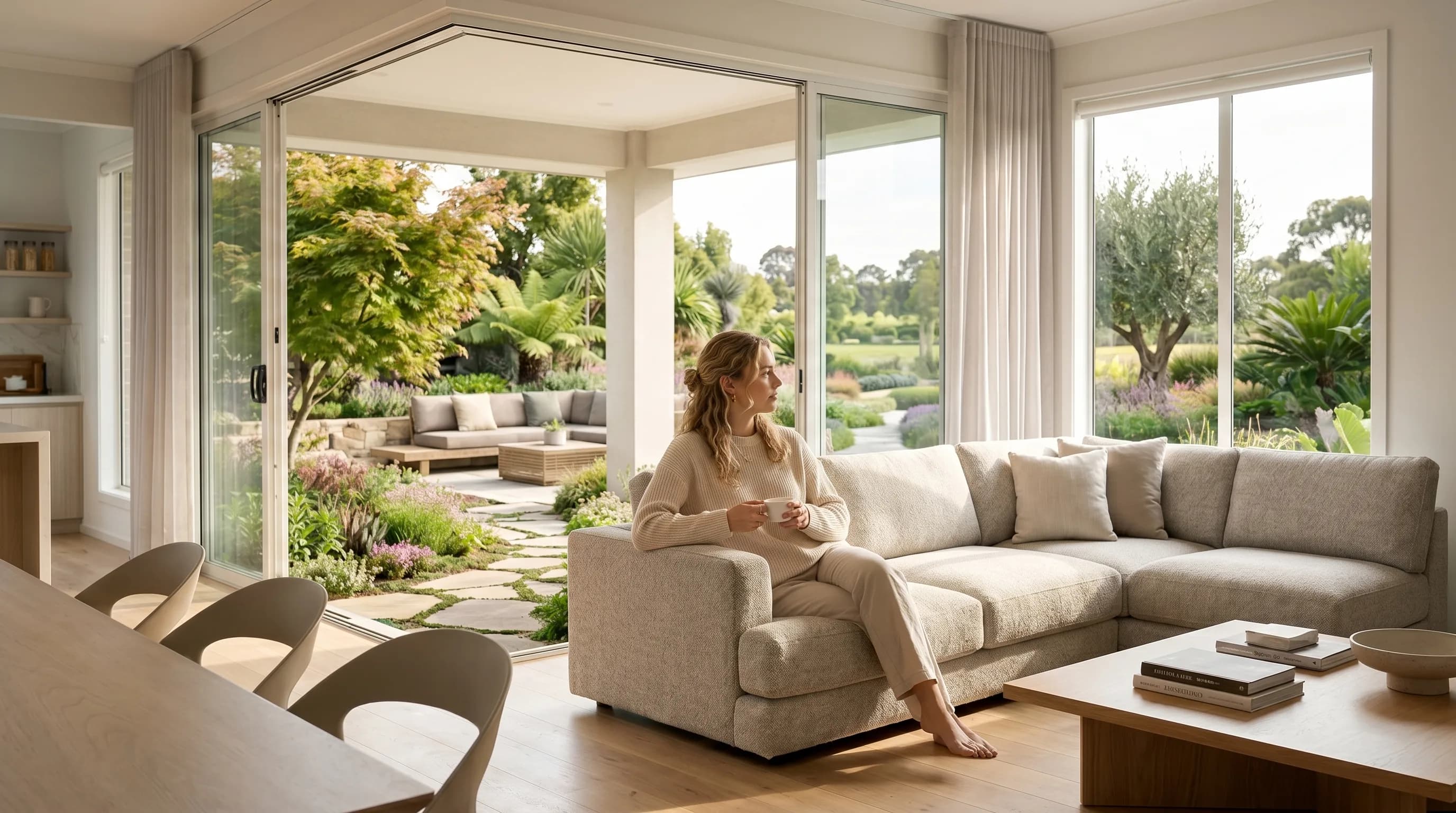
A buyer drives across town for an inspection. Online, the living room held a warm sofa, a styled dining table, and art on the walls. In person, the room is empty. That gap between the photos and the reality is exactly what virtual staging disclosure is built to close. It is the simple habit of telling buyers when a listing image was furnished digitally, rather than photographed as it stands.
I have spent about three years making video and images. I run Oracreative, a small Sydney AI studio, and I have made every piece in our portfolio myself. I do not have a long client list to wave around, so I will just be straight about how this works. Early on, an agent asked me to make an apartment film. I said no at first. I only agreed once the developer approved the copyright on the renders. Then I made it free. Rights and honesty came before the work, and disclosure is that same instinct applied to staging.
What virtual staging disclosure actually means
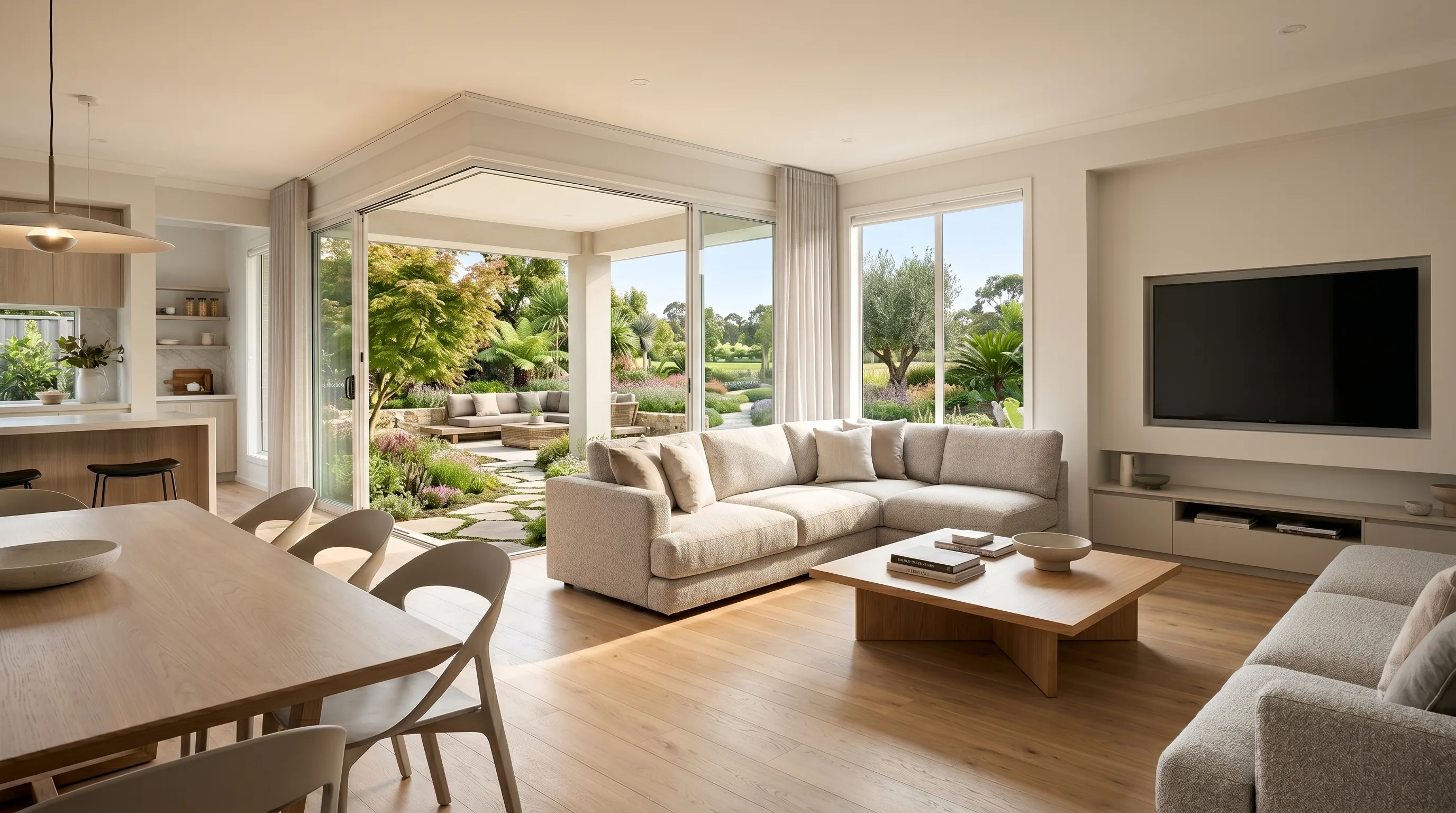
Virtual staging takes an empty or dated room and dresses it digitally. A sofa appears. A rug, a lamp, some framed prints. The walls might be softened to a cleaner white. The result helps a buyer picture the space as somewhere to live. Done with care, it is a fair and useful marketing tool. It is also far cheaper than trucking in real furniture for a weekend.
Disclosure is the other half of the deal. It is the note that tells a viewer the furniture is not physically there. A short line carries it. Something like "furniture digitally added for illustration" works fine. That one sentence is what virtual staging disclosure comes down to in practice. It respects the buyer's time. It sets the right expectation before anyone books a Saturday around a drive-by.
There is a clear line between staging and deception. Staging adds a mood. It does not invent floor space, hide damage, or move a wall. If an image makes a small room read as generous, or quietly paints over a water stain, it has stopped being staging. It has become a misleading picture. A disclosure label does not rescue that. The image has to stay honest on its own first. The label is a courtesy on top of an already truthful photo, not a licence to bend the truth.
This matters more with AI in the mix. The tools I use can generate a beautiful room in minutes. That speed is a gift and a risk. It is just as easy to conjure a fantasy as it is to furnish a real one. So I treat the underlying room as fixed. The layout, the windows, the proportions, and the condition all stay true to the property. Only the styling is added. That discipline is what separates a helpful property media asset from a complaint waiting to happen.
Why honest disclosure protects everyone
Australian consumer law sets a plain expectation. Marketing should not mislead or deceive. That principle sits behind the way agents advertise, and property is no exception. I am a video maker, not a lawyer, so I will not quote sections at you. But the spirit is easy to follow. If an image would change a reasonable buyer's understanding of the property, it needs to be truthful, and any digital work on it should be clear.
Disclosure protects the buyer most obviously. Nobody enjoys feeling tricked. A staged photo with a quiet label lets them enjoy the styling and still know what they are inspecting. But it protects the agent just as much. A clear note is a shield against a complaint. It shows the styling was presented in good faith. In a small market, that reputation is worth more than any single sale.
It protects the seller too. A listing that oversells sets up a disappointing inspection. Buyers arrive expecting one thing and find another. The mood sours before the first question. Honest staging does the opposite. It draws the right buyer in, then meets their expectation at the door. That is a smoother path to an offer.
The major portals reinforce this. Buyers browse listings on realestate.com.au and Domain where a styled photo sits next to a floor plan and a price. The image has to hold up against the rest of the listing. If the staging contradicts the plan or the room count, a careful buyer notices in seconds. Consistency across the whole listing is part of honest presentation.
I learned the value of this order the hard way, with copyright rather than staging. Getting the rights sorted before I made that first free film felt slow at the time. It saved everyone a headache later. Disclosure works the same way. A little friction up front removes a lot of friction at the worst possible moment, which is the inspection or the settlement.
How I label staged images and video
My approach is boring on purpose. Boring is trustworthy. Every staged still gets a short caption near the image. On a portal, that means the description or the photo caption, not a buried line in a PDF. The wording stays plain. I avoid clever euphemisms that hide the point. "Digitally furnished" beats a vague note about "styling enhancements".
For video, disclosure has to move with the footage. A film runs past a viewer, so a caption they can scroll away from is not enough. I place a brief on-screen note where the staging is most prominent. A line at the start, or a persistent small caption, tells the viewer what they are seeing. The same logic that guides an honest off the plan property video applies here. If the space is not real yet, or the furniture is added, say so on screen.
I also keep a plain original on hand. For any staged room, I hold the unfurnished photo of the same angle. If a buyer or agent asks what the room really looks like, I can show it at once. That single habit removes most disputes before they start. It is proof that the staging sat on top of a real space, not a reimagined one.
Consistency is the last piece. If one photo is staged, I do not mix it with heavily edited shots that quietly change the room. The whole set should read as one honest presentation. A buyer should be able to trust that what they liked in the images is what they will walk into. That trust is the real asset. Staging only helps if the buyer still believes the listing.
I keep the wording consistent across the whole campaign too. The same plain note travels from the portal photo to the social clip to the printed brochure. A buyer should not have to hunt for the label in one place and find it missing in another. When the message is steady everywhere, it reads as care rather than a legal afterthought. That steadiness is quietly persuasive. It tells a buyer that the agent sweats the small stuff, which is exactly what they want from the person selling them a home.
| Situation | Poor disclosure practice | Good disclosure practice |
|---|---|---|
| Empty room furnished digitally | No label at all; buyer finds out on site | Clear caption: "furniture digitally added for illustration" |
| Room condition | Stains and cracks painted out silently | Real condition kept; only styling added |
| Room size or layout | Walls nudged to make the space look larger | Proportions locked to the floor plan |
| Staged video | No on-screen note; viewer assumes it is real | Brief on-screen line where staging appears |
| Buyer asks to see the real room | No unfurnished version available | Original empty photo kept and shared on request |
Want staging that a buyer can trust? Start a free pilot → — one property, staged and labelled honestly, at no cost.
What to disclose, room by room
Not every change needs the same treatment. It helps to sort them by how much they shape a buyer's decision. Added furniture is the clearest case. If a chair, a bed, or a dining setting was not in the room, the image should say so. That is the core of any staging label, and it is the one buyers care about most.
Cosmetic touch-ups sit in a softer zone. Tidying a scuff, balancing the light, or removing a stray power cord rarely changes a buyer's understanding of the home. Most people accept that listing photos are lit and composed with care. Still, I keep those edits light. The moment a touch-up starts hiding a real defect, it crosses into territory that needs to be shown, not smoothed away.
Structural impressions are the strict zone. Anything that suggests more space, a better view, or a different aspect than the property has must stay accurate. A window should frame the real outlook. A room should hold the real dimensions. These are the details that a buyer relies on when they commit money, so they get no creative licence at all.
Renovation visuals deserve their own label. Sometimes a seller wants to show a room's potential, fully renovated. That can be genuinely useful. It just needs to be unmistakable. A "potential renovation, indicative only" note keeps it honest. Buyers can dream about the finished version while knowing what they are actually buying today.
Where staging and video overlap
Staging is not only a photo problem any more. More listings lean on film, and film can be staged too. An empty apartment can be furnished digitally inside a moving shot. That is powerful. It is also easier to oversell, because motion feels more real than a still. A buyer's guard drops when a camera glides through a space.
So I apply the same rules, only more carefully. The layout stays true. The furniture is clearly added, and the film says so. If the space is off the plan and does not exist yet, I treat that as its own disclosure, on top of any staging. The point of a film is to make a buyer feel the home. That feeling only helps the sale if it survives contact with the real place.
This is where my portfolio does the talking. Every piece in it is self-initiated concept work, made to test exactly these lines between polish and honesty. You can browse the range in the work I have made. It shows how far styling can lift a space while still describing a real property, not an invented one.
Where virtual staging disclosure has limits
An honest guide names its own trade-offs. Disclosure is a practice, not a magic word. A label does not make a bad image acceptable. If a photo is genuinely misleading, adding "digitally staged" underneath it changes nothing. The fix is the image, not the caption. So the label should never become an excuse to push a picture further.
There is also no single national rulebook that spells out every wording. Guidance sits across consumer law, state fair-trading bodies, and portal policies, and it keeps shifting as AI tools spread. I am not going to invent a specific clause to sound authoritative. What I can say is that the safe path is consistent: be clear, be accurate, and assume a buyer deserves to know. When in doubt, an agent should check with their own agency's compliance guidance or a legal adviser.
Disclosure has a cost too, a small one. A label is a reminder that the furniture is not real, and some sellers worry it dents the fantasy. In my experience the opposite is true. A buyer who trusts the presentation engages more, not less. The tiny honesty tax buys a much larger trust dividend. I would rather a buyer arrive with accurate expectations and stay interested than arrive excited and leave feeling misled.
Finally, staging cannot repair a property that does not photograph well for real reasons. If the light is poor, the layout is awkward, or the condition is rough, honest staging will only go so far. That is not a disclosure problem. It is a reason to consider what the property actually needs, which might be a real tidy-up, a different set of angles, or a frank conversation about price. Styling is a finish, not a cure.
A simple standard to start with
If you take one thing from this, take the standard I hold myself to. Keep the room true. Add only styling. Label it plainly. Hold the original. Those four habits cover almost every case an agent will meet, and they are easy to explain to a nervous seller. They also happen to line up with what consumer law expects, without needing a law degree to follow.
Good staging and good disclosure are not in tension. They pull the same way. Both are about earning a buyer's trust, then keeping it all the way to the inspection. Get that right and the styling does its real job, which is helping the right buyer fall for a home they can actually walk into. That is the version of this craft I want to be known for, especially as a new studio still building its name.
None of this asks an agent to do more work than they already do. It just asks them to do it in the open. A caption takes seconds to write. Holding the unfurnished photo takes no effort at all. The habit is cheap, and the alternative is expensive. One misled buyer, one complaint, one bad review in a tight suburb market can cost far more than any listing gains from a slicker image. So I treat honesty as the cheapest marketing there is, and I build every staged piece with that in mind from the first frame.
Frequently asked questions
- What is virtual staging disclosure?
- It is the practice of telling buyers when a listing photo or video was furnished or styled digitally, rather than photographed as-is. A short, clear label near the image does the job, so a buyer knows the furniture is not physically in the room before they inspect it.
- Is virtual staging legal in Australia?
- Yes, virtual staging itself is a legitimate marketing tool. What matters is that the result is not misleading. Australian consumer law expects property marketing to be honest, so the room's real layout, size, and condition must stay accurate and the digital styling should be disclosed.
- How should staged photos be labelled?
- Use plain wording placed near the image, such as "furniture digitally added for illustration". Avoid vague euphemisms that hide the point. For video, put a brief on-screen note where the staging is most prominent, since a viewer cannot scroll to a caption while the footage plays.
- What can I change in a staged image and what must stay real?
- You can add furniture, styling, and light cosmetic tidying. You must not change the facts of the space. Do not enlarge rooms, move walls, invent a better view, or paint over real defects. Enhance the feeling of the home, never alter what a buyer is actually buying.
- Who owns the copyright to renders and staged images used in a listing?
- Usually the studio that made them, or the developer who commissioned the source renders. Before I stage or film with someone else's assets, I confirm the rights are cleared. I once turned a job down until a developer approved the copyright, then made the film for free. Rights come before the work.
Planning a property video?
We run a free pilot for a small number of Sydney developers and agencies each month — one property, one finished AI-powered video, no cost.