Virtual staging · 6 Aug 2026
Virtual Staging vs Physical Staging: Cost, Time, ROI
Oracreative · Updated 20 July 2026
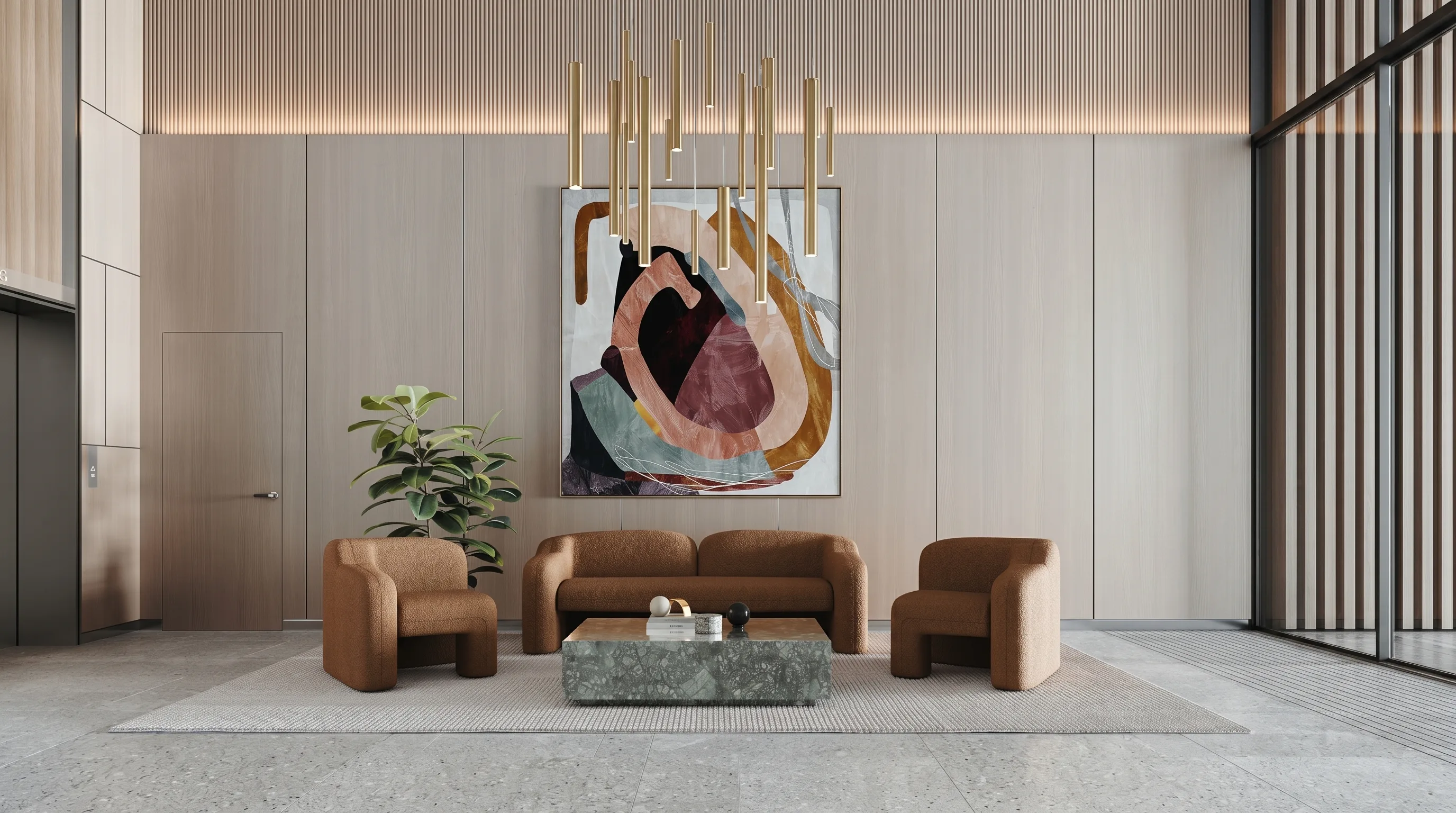
You have a finished apartment, or just a set of renders, and an empty room that photographs cold. The choice usually comes down to virtual staging vs physical staging: do you add the furniture in software, or truck in real sofas and style the space by hand? Both make a listing feel like a home. They cost very different amounts. They take very different amounts of time. And they carry very different rules about what you have to tell a buyer.
I have spent about three years making video, and the last stretch has been all property. I run Oracreative, a small Sydney AI-video studio, and I have made every piece in our portfolio myself. There is no long client list to wave around, so I will just be straight about how these two methods compare. Most of my own work is the moving version of staging. I build rendered, furnished spaces that a buyer can walk through on a screen. That gives me a clear view of both sides of this debate.
What virtual and physical staging really are
Physical staging is the old way, and it still works. A stylist brings in furniture, art, rugs, and plants. They dress an empty property so a buyer can picture living there. The room is real. The photos are of that real room. When the campaign ends, the furniture goes back on a truck.
Virtual staging does the same job in software. You start with a photo of the empty room, or with a render of a home that is not built yet. Then furniture is added digitally. A sofa, a dining set, some warmth on the walls. The output is an image, or in my case a film, of a furnished space that never physically held that furniture. It is the same craft I apply to finished listings in our AI property media work.
People lump a few things together here, so it helps to split them. A bare listing photo is the room as it stands, empty. Physical staging changes the room itself. Virtual staging changes only the picture of the room. And an AI-rendered flythrough takes virtual staging one step further, into motion, so a buyer can drift through the furnished space rather than scroll a gallery.
The reason any of this works is simple. An empty room is hard to read. Buyers struggle to judge scale, to place their own bed, to imagine a Sunday morning in the space. Furniture answers those questions for them. It gives the eye a reference for size and a reason to linger. Whether that furniture is real or rendered, the job is the same: turn a blank box into a home someone can picture.
None of this is new to buyers. Most people scrolling realestate.com.au have already seen staged photos for years, whether they clocked it or not. What has changed is that the digital version now holds up. A year ago, added furniture often looked pasted on. Today a careful job passes for real at a glance.

Virtual staging vs physical staging, head to head
Here is the honest comparison. I have kept the figures to ranges I have actually seen in Sydney, not sales-page numbers. Prices move, so treat these as the shape of the gap, not a quote.
| Factor | Physical staging | Virtual staging |
|---|---|---|
| Typical cost | Thousands per property, for a styling period | A small fraction of that, per image or short film |
| Time to ready | One to three weeks: booking, delivery, styling, shoot | Days: a photo or render in, a furnished image out |
| Flexibility | One look; a restyle means another delivery | Many looks; swap a style in software, cheaply |
| Works when empty or unbuilt | No — the room must physically exist | Yes — a render is enough to start |
| What the buyer feels | Touch, scale, a real walkthrough | A picture, not a physical experience |
| Return on the spend | Strong on premium, in-person sales | Strong on reach and on cost per lead |
| Disclosure needed | Little — the furniture is genuinely there | Always — the image must be labelled a render |
Read down that table and the pattern is clear. Physical staging spends money to create a real, touchable experience for the people who walk through. Virtual staging spends far less to create a convincing picture for the far larger crowd who will only ever see the listing on a phone. Neither is wrong. They serve different parts of the same campaign.
What each one actually costs
Cost is where the two methods split hardest. Physical staging in Sydney is a real line item. You are paying for the furniture hire, the stylist's time, delivery both ways, and a rental period that ticks over by the week. A whole apartment can run into several thousand dollars before a single photo is taken. If the property sits on the market, that period stretches, and so does the bill.
Virtual staging removes almost all of that. There is no truck, no hire, no rental clock. You are paying for someone's skill and time to furnish the image well. For a set of stills, that is often the price of a nice dinner per room. For a moving, cinematic version it costs more, but it is still a fraction of a full physical style plus a photo shoot. The saving is not a rounding error. It is the whole reason virtual staging exists.
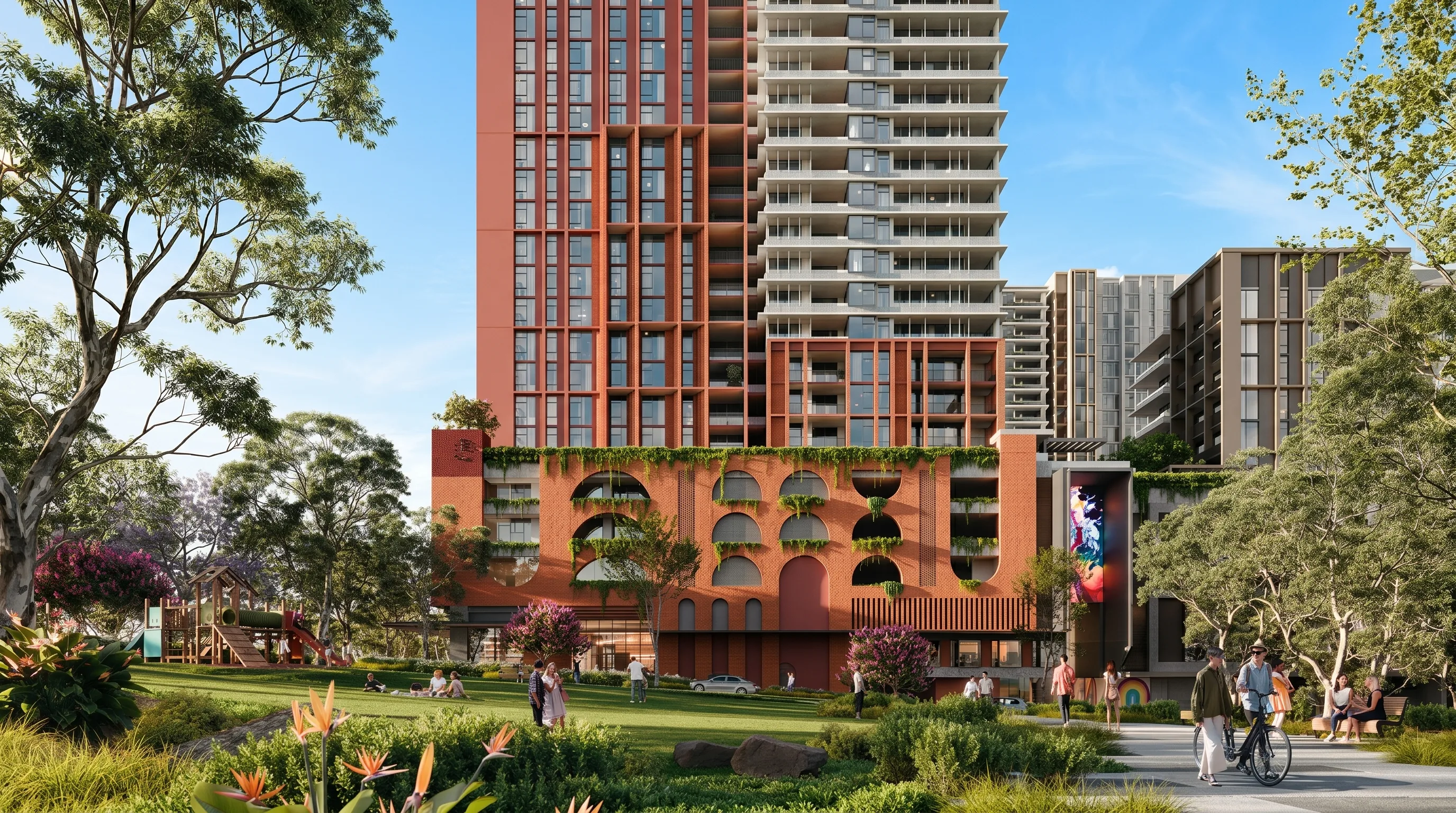
There is a subtler cost too. Physical staging ties up a real space for weeks, which can delay a listing going live. In a fast launch window, that delay has a price of its own. Virtual staging skips it entirely, because you can furnish a render before the building is even finished. That is a genuine advantage for off-the-plan stock, which I have written about in the off the plan property video guide.
One more cost that rarely gets counted: risk. Physical staging is a committed spend. You pay whether or not the property sells quickly, and if the campaign drags, the rental bill grows. Digital work is a fixed, one-time cost. Once the furnished image or film exists, it keeps working across the portals, the brochure, and the socials for no extra hire fee. For a smaller agency watching its marketing budget, that predictability matters as much as the headline price.
Speed, and why it matters at launch
Timing decides a lot of campaigns. The best apartments in a release often sell in the first few weeks. If your marketing is not ready, you miss that window. Physical staging fights against you here. You have to wait for the property to be built and clean, book a stylist, wait for delivery, style it, then shoot it. Two to three weeks can vanish before the first photo lands.
Virtual staging runs on a different clock. If a render exists, styling can start today. A furnished still can come back in a day or two. A short film takes a little longer, but it is measured in days, not in delivery schedules and crew availability. For a launch that lives or dies on its first fortnight, that speed is not a nice-to-have. It is often the difference between reaching buyers early and reaching them after the best stock is gone.
Speed also compounds with flexibility. Because the work lives in software, you can produce a coastal look and a warm-minimalist look from the same empty room, then test which one gets more enquiries. Physical staging gives you one look per delivery. Testing two means paying twice.
The ROI question, answered honestly
Everyone wants the return-on-investment number. I will not invent one, because I have not run a controlled study, and the honest answer is that it depends on the property. But the logic of the return is easy to reason about, and it points different ways for each method.
Physical staging earns its keep on premium, in-person sales. When buyers physically walk through, sitting on a real couch and feeling the scale of a room changes how they value it. For a high-end house that sells at an open home, the spend can pay back many times over. The experience is the product.
Virtual staging earns its return through reach and cost. Most buyers now judge a home online before they ever visit. A furnished, warm listing gets more clicks and more enquiries than a cold empty one, for a tiny fraction of the physical cost. When you divide the spend by the number of buyers it reaches, the maths is hard to argue with. On big portals like domain.com.au, the furnished thumbnail is what earns the click in the first place. In the virtual staging vs physical staging trade-off, this is the quiet case for going digital: the cheaper method often touches far more buyers.
Not sure which one your listing needs? Start a free pilot → — one property, one finished video, no cost, so you can see the digital version before you commit.
Disclosure, rights, and the honesty line
This is the part people skip, and it is the part that matters most. Virtual staging shows furniture that is not really there. That is fine, as long as you say so. Agents are expected to label digitally staged images clearly, so a buyer is never misled into thinking an empty apartment comes furnished. Add a plain caption. Keep the real dimensions honest. Never hide a flaw behind a sofa. Physical staging carries less of this weight, because the furniture in the photo genuinely stood in the room.
There is a second layer that most articles miss: who owns the underlying images. When you virtually stage a render, that render usually belongs to a developer or an architect. You cannot just take it and publish a furnished version without permission. This is not theory for me. Early on, an agent asked me to make a film of an off-the-plan apartment. The renders were beautiful, but they were not the agent's to hand over. I refused to start until the developer had approved the copyright on those renders. Once that approval came through, I made the film for free, as a first real case. The lesson stuck: sort the rights before you stage anything digital.
Where virtual staging has real limits
I would not be honest if I only sold the upside. Virtual staging has clear limits, and pretending otherwise helps no one. A buyer cannot sit on a rendered couch. For a premium sale that turns on a physical open home, that missing touch is a genuine gap, and physical staging fills it in a way software cannot.
There is also a quality floor. Cheap virtual staging still looks cheap. Furniture that floats, shadows that fall the wrong way, a scale that feels off — buyers notice, even if they cannot name what is wrong. Bad digital staging erodes trust faster than an honest empty room. The method is only as good as the person doing it, which is exactly why I show the actual output rather than promises. You can judge the craft yourself across our self-made portfolio of work.
And it cannot fix a bad property. Staging, of either kind, sets a mood. It cannot add light to a dark room or space to a cramped one. If the render or the room has real problems, honest marketing means showing them, not hiding them behind a styled corner.
There is also the mismatch trap. If you virtually stage a home in a look the finished apartment will never have, you set up disappointment at the open home. Good digital staging matches the real finishes, the real light, and the real layout. It sells the home that will actually exist, not a prettier fiction. That discipline is what separates a marketing tool from a liability.
How I decide which one to use
So which do you pick? For me it comes down to a few plain questions. Does the property physically exist yet? If it is off the plan or still empty, physical staging is not even an option, and virtual is the only way to show a furnished home. Is the sale likely to close in person at a premium open home? Then real furniture may be worth the spend. Is most of your audience online, interstate, or overseas? Then the reach and low cost of the digital method usually win.
In practice, the two are not enemies. A smart campaign often uses both: physical staging for the flagship display apartment, virtual staging for the rest of the release and for every screen a buyer scrolls before they visit. The virtual staging vs physical staging decision is rarely all-or-nothing. It is about matching the method to the buyer and the budget in front of you.
My own bias, as a studio that builds the moving version, is toward the digital side — but only where it is honest, well made, and cleared for rights. That is the line I hold. Cheap tricks age badly. Good, labelled, well-crafted staging earns trust and sells homes, whichever method you choose.
Frequently asked questions
- Is virtual staging legal in Australia?
- Yes, as long as it is disclosed. Digitally added furniture must be clearly labelled as a render or artist's impression, so a buyer is never misled into thinking an empty property comes furnished. Keep the real dimensions honest and never hide a flaw behind added furniture.
- How much cheaper is virtual staging than physical staging?
- A lot. Physical staging in Sydney typically runs into the thousands per property, plus a weekly rental period. Virtual staging is often a small fraction of that per image, because there is no furniture hire, no delivery, and no rental clock ticking over.
- Does virtual staging actually help a property sell?
- It helps the listing get seen. Most buyers judge a home online first, and a furnished, warm listing earns more clicks and enquiries than a cold empty one. It will not fix a bad property, but for reach and cost per lead the return is strong.
- Can you virtually stage an off-the-plan apartment before it is built?
- Yes, and it is one of the biggest advantages of the digital method. You start from the development's renders instead of a real room, so you can market a furnished home during the launch window, before construction is finished.
- Who owns the renders used for virtual staging?
- Usually the developer or architect, not the agent. You need their permission before publishing a furnished version. I once refused to start a film until the developer approved the copyright on the renders, then made it for free. Sort the rights before you stage anything.
Planning a property video?
We run a free pilot for a small number of Sydney developers and agencies each month — one property, one finished AI-powered video, no cost.