Virtual staging · 9 Aug 2026
Virtual Staging Explained: A Practical Guide for Agents
Oracreative · Updated 22 July 2026
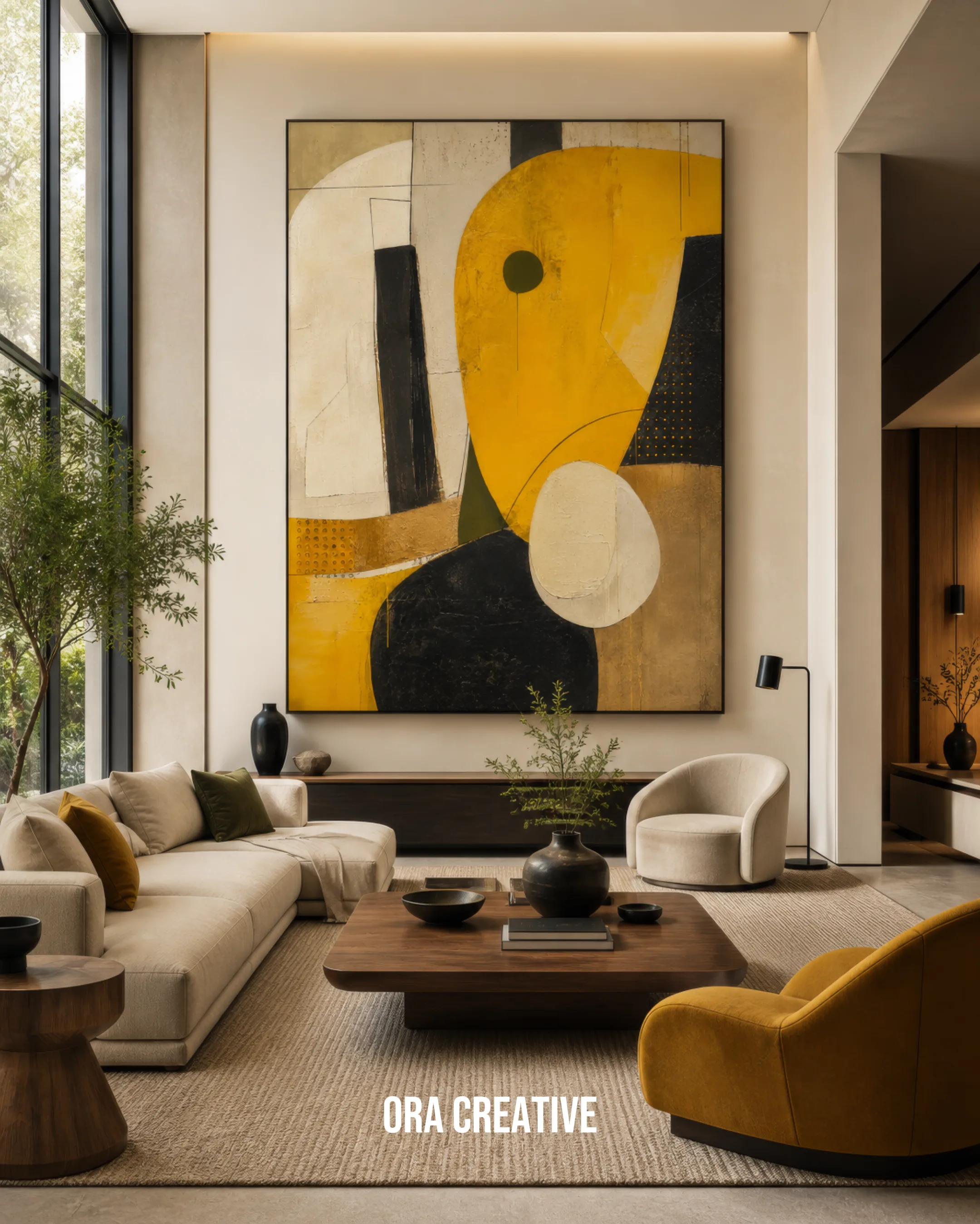
Most agents I talk to have the same quiet problem: an empty listing that photographs cold. Bare rooms make a home look smaller and colder than it really is, and buyers scroll straight past. Virtual staging fixes that on screen — furniture, light, and warmth added to a photo of the empty space, so a buyer can finally picture living there. This is not a guide to the technology. It is a practical guide to using it as an agent: when it pays off, how to order it, how to check it, and how to keep it honest.
I run a small Sydney AI studio and I have spent about three years making property images and film, all of it my own work. So I see this from the maker's side of the desk. That means I can tell you where the wins really are, and where a staged photo will quietly cost you trust instead of buying it. No client logos to wave around — just the honest version of how to put this tool to work on a real listing.
When virtual staging earns its place
Not every listing needs it. The tool pays off when a room is empty or reads cold in photos, and buyers cannot picture a life in it. That is where a staged image does the imagining for them, and where your listing stops looking like every other bare box on the street. Spend the effort where it changes a decision, and skip it where the room already sells itself.
Three situations are the sweet spot. New apartment stock that launches unfurnished. Off-the-plan sales, where the only images are renders and there is no physical room to shoot at all. And vacant resales that photograph flat because the owners have already moved out. In each case the alternative is either an empty photo or a costly furniture rental, and a digital stage sits neatly between them.
It is also a launch-speed tool. A physical stage means booking furniture, delivery, and a monthly rental while the property sits on market. A digital one comes back in days and costs a fraction of that. When the best stock sells in the first few weeks, that speed is worth as much as the saving. For an off-the-plan release with a hard launch date, it is often the only way to have warm imagery ready on day one.
Think about it in terms you already track. A cold, empty hero shot drags your click-through on the portal, and a listing that looks unloved sits longer. A warm, believable room lifts the first impression that decides whether anyone enquires at all. You are not buying furniture; you are buying a better first thumbnail. There are listings where I would wave you off it, and I will come back to those. But if the room is empty and the clock is running, this is exactly the case the tool was built for.
What to send me, and what comes back
Commissioning a stage is lighter than most agents expect. You do not need a stylist, a furniture budget, or a spare weekend. You need a few clear inputs, and the rest is on me. If you want the under-the-hood version of how the images are actually built, I wrote a full explainer on AI virtual staging — this section is just the ordering side of it.
Here is the short list I ask for:
- clear, level photos of the empty rooms — or the renders, if it is off the plan;
- the floor plan, so the furniture I add actually fits the real space;
- a sense of the buyer — downsizer, first-home couple, or family;
- which rooms you want staged, and where the images will run.
The buyer line matters most. It decides the palette and the furniture more than anything else, because a downsizer's apartment is dressed nothing like an investor's one-bed. Name that person up front and the whole result lands closer on the first pass. Get it vague, and you spend the revisions chasing a feel nobody defined.
Good input also comes back faster and cleaner. A dark, crooked phone snap gives me less to work with than a clean, level shot taken in daylight, and it shows in the result. If you can, shoot each empty room straight-on, with the blinds up and the lights on. Five honest minutes on the photos saves a round of revisions later.
What comes back is a set of finished, portal-ready images, each labelled as a render. Turnaround is usually days, not weeks, and revisions are quick because nothing physical has to move. If you want a warmer palette or a different sofa after the first pass, that is an afternoon, not another delivery. Decide up front which rooms matter, and name one person to give feedback — notes from a whole committee are the fastest way to blow a timeline.
On cost, be wary of a flat per-image price with no questions asked. A fair quote tracks the number of rooms, the level of finish, and how many revision rounds you expect, not a fixed sticker. A single hero image sits at one end; a full apartment across several rooms sits at the other. It should still land well under a physical stage, because you are skipping the furniture rental, the delivery, and the monthly fee while the property is listed. If a price looks too cheap to involve any human editing, it usually shows in furniture that floats and light that lies.
How to judge a staged photo before it goes live
This is the part agents skip, and it is the part that protects you. Before a staged image goes anywhere near a portal, look at it with a critical eye. A weak stage does more harm than an empty room, because it quietly tells buyers the listing cannot be trusted. Four things decide whether the image holds up, and none of them need a design degree to spot.
| What to check | Good sign | Red flag |
|---|---|---|
| Scale | Furniture leaves room to walk; a rug sits under the whole sofa | A bed that swallows the room, or a table with no space around it |
| Light | Shadows fall away from the real windows; the mood matches the room | Flat, even light, or shadows pointing the wrong way |
| Believability | Furniture sits on the floor; the styling is calm and sparse | Pieces that float, or a cluttered showroom look |
| Honesty | The image respects the real walls, windows, and proportions | Walls moved or a genuine flaw quietly painted over |
If a photo fails any of those, send it back. A good stage looks like nobody staged it at all — a calm, lived-in room, not a furniture advert. When the scale and light are right, a buyer's eye relaxes and reads the room as real. When they are wrong, something feels off even if the viewer cannot name it, and that doubt follows them all the way to the inspection.
One more test I use: would this photo still make sense standing in the real room? If the answer is no, the stage has drifted too far from the property, and it will read as a trick the moment someone visits. The image should flatter the space, never invent a different one.
Have an empty listing that photographs cold? Start a free pilot → — one room, staged and finished, no cost to you.

Putting staged photos to work on your listing
A staged image is only as good as how you use it. The staged living room usually earns the hero slot, because it is the shot that stops the scroll on realestate.com.au or Domain. Lead with the room that carries the lifestyle, then let the honest photos of the kitchen and bathroom follow it in the gallery.
Labelling is not optional. Every staged photo should be marked as a render, a staging concept, or an artist's impression, right there in the caption. Portals and buyers both expect it now, and it protects you as much as the seller. Set one simple standard across every listing you run so it never slips through on a busy launch day.
Mix staged and real images honestly. A listing that is all glossy renders and no real photos reads as evasive. A blend — the staged hero, then true photos of the actual finishes — tells a buyer you have nothing to hide. You can see the range of rooms I have dressed this way in the work I have made, from single hero shots to whole apartments dressed end to end.
The images earn their keep beyond the listing, too. The same staged frames run well on a social post, an email to your database, or a reel, so one commission feeds the whole campaign. Keep the source files as well: when the property sells or the finishes change, a quick refresh is cheap rather than a full redo. That is the quiet advantage of working digitally.
Mistakes that come back to bite agents
Most staging trouble is avoidable, and it comes from a handful of repeat mistakes. The first is overselling. Using furniture to make a small room look grand sets up a let-down the moment a buyer walks in. Stage to help them picture the space, not to lie about how big it is.
The second is a mismatch between the staged photo and the real home. If the floor, the window, or the ceiling in the render does not match the property, buyers notice and trust drops. The furniture can be virtual; the room around it has to be true to what they will actually walk into.
The third is skipping the label. An unmarked staged photo is the fastest way to a complaint, and in a small market that story travels. The fourth is staging everything. A whole apartment dressed in one flat look reads as a showroom, not a home — three strong rooms beat eight flat ones every time. The last is treating the first draft as final. The tool gives you a fast starting point, and the value is in the round of notes that follows, not the first click.
Where I would tell you not to bother
An honest guide names the cases where the tool is wrong. If a home is already finished, furnished, and genuinely photogenic, a real photo shoot beats a render. I will say so rather than sell you a stage you do not need. The goal is the right image for the property, not the most billable one.
It also cannot fix a real problem. A cramped, dark, or awkward room is still that room once a buyer visits. Staging sets an expectation, and the property has to meet it at the inspection. If the gap between the render and the reality is too wide, you are buying a disappointment, not a sale, and the fallout lands on you at the open home.
And where rights are unclear, I stop. The renders and photos a stage leans on can belong to a developer or a photographer. I make sure there is approval to use them before I dress anything — I have turned work down until that sign-off was in place. Rights first, work second, on every single job. It is a slower way to start, and it has saved everyone involved a real headache more than once.
The short version for a busy agent
Virtual staging is one of the clearest wins AI has brought to listing marketing. Used on the right property, it is fast, it is cheap next to real furniture, and it genuinely helps a buyer see a home. Used carelessly, it oversells a space and costs you the trust you were trying to build in the first place.
So treat it as a tool with a job, not a shortcut. Reach for it on empty and off-the-plan stock, and leave the finished, photogenic homes to a real camera. Judge every image on scale, light, and honesty before it goes live. Label it, blend it with real photos, and it will earn a place in every listing kit you run. This sits inside my wider property media work, alongside film and visualisation, if you want the full picture of how it fits a campaign.
Have a cold, empty listing right now? Send me one room → and I will stage it for free, so you can judge the result on your own stock before you commit to anything at all.
Frequently asked questions
- What is virtual staging?
- It is the practice of adding furniture and styling to a photo of an empty room using software. The real walls, windows, and floor stay unchanged, so buyers can picture living in the actual space without any physical furniture being moved in.
- Is virtual staging cheaper than physical staging?
- Yes, by a wide margin. Physical staging can cost thousands per property per month for real furniture and setup. Digital staging is a small one-off cost per image, and it usually turns around in one to three days.
- Do I have to disclose that a photo is digitally staged?
- Yes. Staged images should be clearly labelled as digitally staged, and they must not misrepresent the property. Disclosure keeps the listing honest, protects you from complaints, and keeps buyers trusting you when they arrive in person.
- Can you stage a room that has not been built yet?
- A photo is enough for staging a real but empty room. For a home that does not physically exist, you need renders or an off-the-plan film instead, which is a related but separate service built from the development's plans.
- Will the furniture look fake?
- Not when it is done with care. The furniture is matched to the room's perspective, light, and shadows, and scaled to the real dimensions. Rushed, low-quality work does look fake, which is why the base photo and the craft matter so much.
Planning a property video?
We run a free pilot for a small number of Sydney developers and agencies each month — one property, one finished AI-powered video, no cost.